
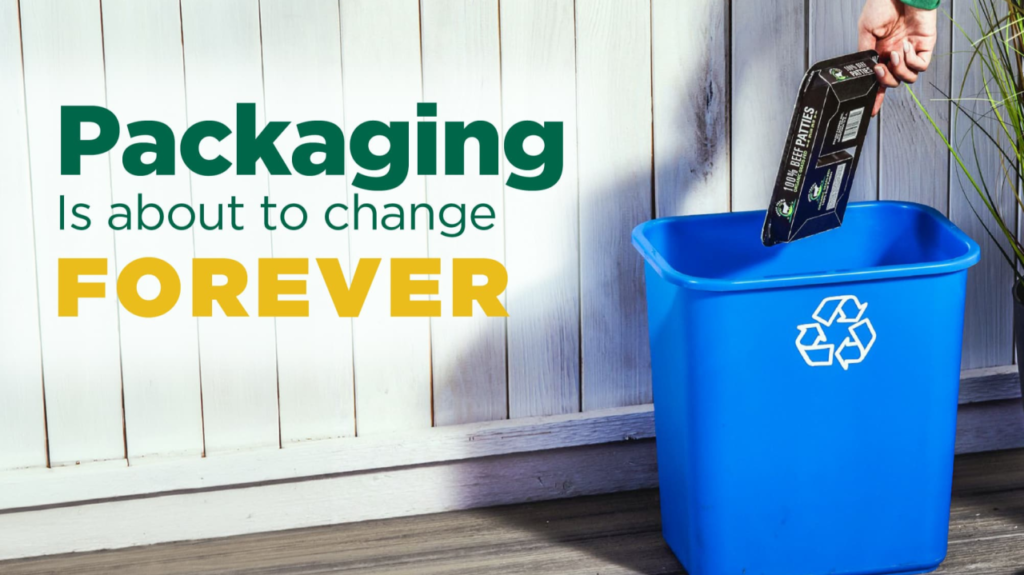
Commercial packaging is about to change forever thanks to a new sustainability directive from the European Union. By 2030, all packaging on the EU consumer market must be designed for recycling. This mandate is the main idea behind the Packaging and Packaging Watsle Regulation (PPWR), and drives how consumer brands and retailers design, source and sell products. All packaged products, whether manufactured in the EU or abroad, must meet these new requirements. PPWR’s influence will likely extend beyond Europe as more companies abide by ther mandate and develop designs that will simplify their operations.
The Performance-Based Framework
Central to this regulation’s is a performance-based framework called “Design for Recycling” (DfR). This framework grades packaging materials with a letter rating system based on how recyclable they are.
-
A (≤95% recyclable)
-
B (≤80% recyclable)
-
C (≤70% recyclable)
Any material that is rated below 70% is regarded as “technically non-recyclable” and will be officially discontinued by 2030. The rating requirements for these materials is projected to become stricter by 2035 and 2038. The grading system is specifically designed to transform sustainability from an aspiration to a concrete commercial demand. Additionally, it creates incentives for higher recyclibility though lower Extended Producer Responsibility (EPR) fees for companies that manufacture and distribute products.
Paperboard’s Significance in the PPWR Era
Under the mandate, the optimal packaging material is highly recyclable and is highly compatible with recycled content targets. Paperboard is a natural fit for a circular future. From the raw materials to the mill, new and used paperboard samples are used to create innovative packaging brands and retailers present to their consumers. After the consumer disposes of the material, it can be recycled between 5 and 10 times, further exemplifying its value in the consumer market. European systems recover approximately 87& of paperboard packaging after responsible end of life compared to just 42% of plastic products. In addition, other fiber-based formats assist brands in navigating tigher single-use plastic packaging formats while ultimately supporting recyclability and resource efficiency objectives.
The Road to Regulation Timeline
2010s
-
Rising concern about single-use plastics and unnecessary packaging waste
2020s:
-
European Commisson proposes PPWR (2022)
-
PPWR goes into effect (February 2025)
-
The development of secondary legislation is slated to take place around 2028. Standardized, mandatory labels for waste sorting will be placed on all waste receptacles
2030s:
-
All packaging on the EU market must meet DfR criteria (2030)
-
Most plastic packaging parts mist meet minimum recycled content targers (2030)
-
Single-use plastic packaging face restrictions (2030)
-
All EU packaging must be recycled at scale (2035)
-
All EU packaging must meet stricter recyclability criteria (2038)
2040s:
-
Most plastic packaging in the EU must meet increased recycled content targets (2040)
The Projected Future
The PPWR intends to set all packaging waste reduction targets across the EU at the following percentages per corresponding timeframe:
-
5% by 2030
-
10% by 2035
-
15% by 2040
All reductions are compared against levels from 2018. Companies and brands view the mandate as a restruction and a opportunity simultaneously. Those that adjust early by redesigning their packaging and embracing materials such as paperboard will be better prepared for a more sustainable future.
About Post Author

You may also like
-
How Commercial Roof Maintenance Can Improve Property Management
-
The Untraceable Isn’t Unprovable: Shantonia Wayne on the Paper Trail Behind Citizenship by Descent
-
The statistic behind every future-of-work speech deserves a closer look
-
Leigh Tesar Scheme Allegedly Targeted Terminally Ill Patients with High-Payout Wound Procedures
-
How to Bring Your Spouse to the United States
