
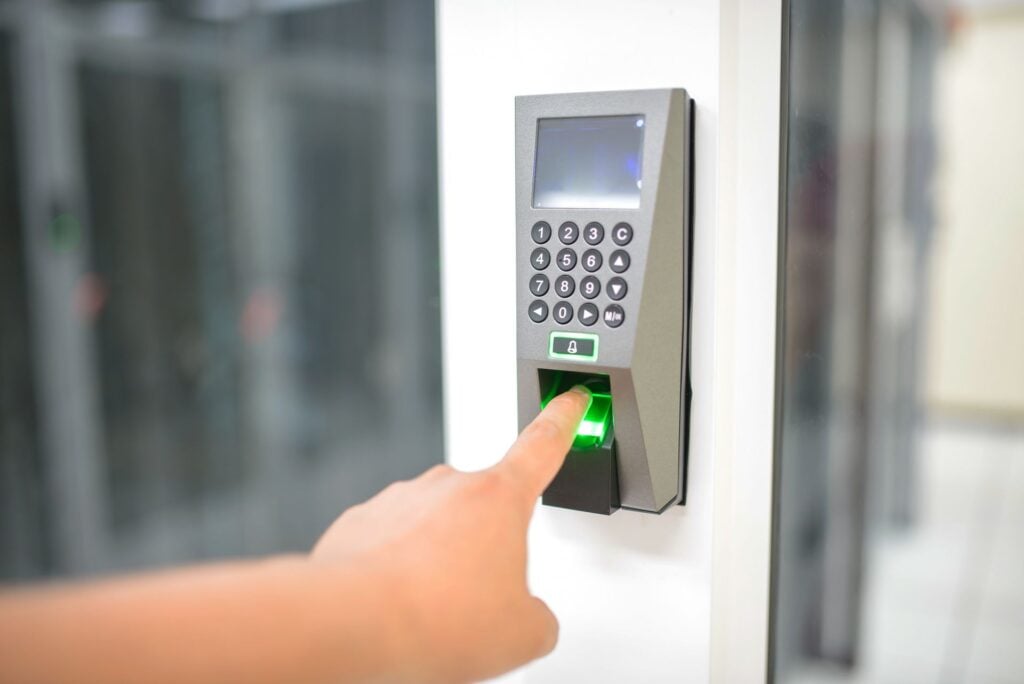
Small business owners have a dozen things fighting for attention at once, and security often gets pushed down the priority list when budgets are tight. However, criminals know that smaller organizations typically have fewer defenses in place compared to massive corporations. Securing your storefront and your data doesn’t require a massive enterprise-level budget. A practical approach starts with identifying your most critical assets and building layers of defense around them. Whether you’re upgrading your digital software or installing a new business security system, you can make significant improvements without draining your financial resources.
Prioritize Employee Awareness Training
Your team is often the first line of defense against both physical and digital threats. Phishing emails and social engineering tactics are incredibly common because they rely on human error rather than complex technical exploits. Training your staff to recognize suspicious links, unusual payment requests, and strange phone calls costs almost nothing but provides immense value.
You don’t need to hire an expensive consultant to get started. The Federal Trade Commission (FTC) offers free cybersecurity guidance for small businesses that covers the basics of spotting scams and protecting sensitive information. Make this training a regular part of onboarding and hold brief quarterly refreshers to keep security top of mind for everyone on the payroll. Creating a culture where employees feel comfortable verifying unusual requests can stop a costly breach before it happens.
Enforce Multi-Factor Authentication (MFA)
Stolen passwords are one of the primary ways unauthorized individuals gain access to company networks. Implementing multi-factor authentication across all your business accounts is a highly effective, low-cost barrier against these attacks.
MFA requires users to provide two or more verification factors to gain access to a resource, such as a standard password paired with a temporary code sent to a mobile device. Most modern email providers, accounting software, and cloud storage platforms offer this feature built-in for free. Flipping this switch in your administrative settings significantly reduces the risk of a breach, even if an employee accidentally exposes their password.
Automate Your Software Updates
Cybercriminals frequently exploit known vulnerabilities in outdated software to sneak into networks. Developers constantly release patches to fix these security holes, but those patches only protect you if you actually install them.
Manually checking for updates on every company desktop, tablet, and smartphone is time-consuming and incredibly easy to forget. Instead, configure your operating systems, web browsers, and critical applications to update automatically. Automatic updates are one of the most cost-effective ways to maintain basic cyber hygiene. It’s a simple, set-it-and-forget-it strategy that instantly hardens your operational defenses.
Tighten Physical Security and Access Controls
Not all threats come through a Wi-Fi connection. Physical security is just as important, and improving it doesn’t necessarily mean hiring a round-the-clock security guard. Start by enforcing the principle of least privilege. This means employees should only have access to the physical areas and digital files strictly necessary for their specific roles.
Keep sensitive paper records in locked cabinets and ensure server rooms or IT closets are restricted to authorized personnel. When employees leave the company, use a strict offboarding checklist to immediately revoke their physical keys, keycards, and digital login credentials. Simply auditing and organizing who has access to your assets creates a much smaller target for potential theft.
Establish a Reliable Backup Routine
If your business is hit by a ransomware attack or a hardware failure, having a recent backup can be the difference between a brief hiccup and a total operational shutdown. Implementing a reliable backup strategy is highly affordable, especially with modern cloud storage solutions designed for small budgets.
Follow this basic structure for keeping multiple copies of your essential data. Store one copy locally on an encrypted external hard drive for quick recovery, and keep another copy securely in the cloud. Ensure that your backups occur automatically every night and are disconnected from your main network. This offline separation prevents malware from infecting your primary and backup files simultaneously.
Building Resilience Over Time
Building a secure business environment is an ongoing process, not a one-time purchase. By focusing on the fundamentals, you create a resilient organization capable of handling modern threats. Security is ultimately about managing risk efficiently. Taking these practical, budget-friendly steps ensures your business, your employees, and your customers remain protected without compromising your bottom line.
About Post Author

You may also like
-
How Can Custom Solutions Transform Your Shopify Store’s Performance?
-
Honest Labeling in Jewelry: Why Miami The Jeweler Sells Moissanite as Moissanite
-
Wood, Aluminum and Steel Pergolas in a Wet Northwest Climate
-
How Commercial Buildings Are Dried After Water Damage
-
Kitchen Remodel Planning for Older Houses in Phoenixville
