
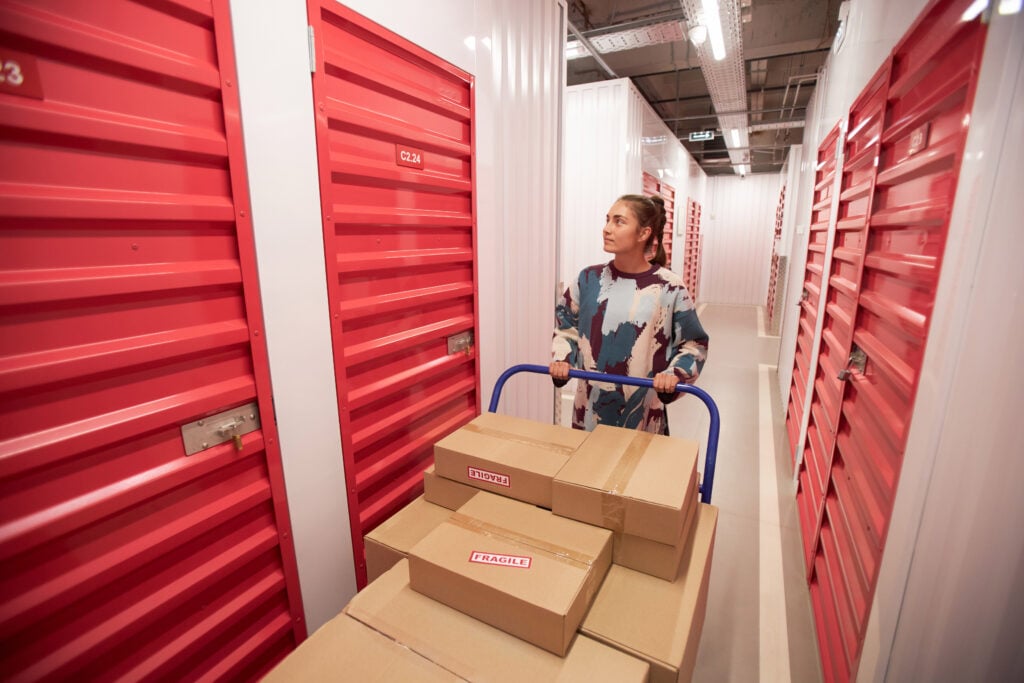
Moving an office is nothing like moving a house. There are workstations to disassemble, filing cabinets full of sensitive documents, IT equipment that can’t handle rough handling, and furniture that rarely fits neatly into a moving truck timeline. When you add a lease overlap, a renovation delay, or a staggered move-in schedule to the mix, things get complicated fast. That’s where self storage becomes less of a convenience and more of a necessity.
Why Office Relocations Need a Storage Buffer
Very few office moves happen in one clean step. Maybe your new space isn’t ready the same day you have to vacate the old one. Maybe you’re downsizing and need to figure out what to do with surplus desks and cabinets before committing to a smaller footprint. Or perhaps construction and buildout at the new location is still underway when your current lease expires.
A self storage unit acts as a buffer during these in-between periods. Instead of scrambling to coordinate a same-day move or paying for overlapping rent on two commercial spaces, you can move everything into storage and transfer items to the new office on your own schedule. This removes a huge amount of pressure from the entire relocation timeline.
What Businesses Typically Store
Office relocations usually involve more than just desks and chairs. Common items that end up in storage include:
- Furniture – desks, chairs, conference tables, and reception seating that aren’t needed immediately
- Filing cabinets and records – especially documents that must be retained for compliance but aren’t accessed daily
- IT equipment – servers, monitors, printers, and backup hardware awaiting setup at the new location
- Décor and fixtures – artwork, signage, and branded elements that will be reinstalled later
- Excess inventory or supplies – stock, marketing materials, or equipment not tied to daily operations
Separating what your team needs on day one from what can wait is the first step to a smoother transition.
Protecting Sensitive Equipment and Documents
Offices tend to have a mix of high-value electronics and confidential paperwork, both of which require a bit more care than a stack of moving boxes. When choosing a storage unit, climate control matters. Temperature and humidity swings can damage computer hardware, warp furniture, and degrade paper documents over time. A climate-controlled unit helps preserve everything from server equipment to archived client files.
Security is equally important. Look for facilities with monitored access, individually alarmed units, or gated entry. If your business handles sensitive data, this isn’t just about protecting physical assets — it’s about maintaining confidentiality and meeting any regulatory obligations your industry might have around document storage.
Choosing the Right Unit Size
Office relocations often involve more volume than people expect. A single floor of cubicles, storage cabinets, and shared equipment can fill a unit faster than anticipated. Rather than guessing, take inventory of what’s being stored and estimate accordingly. Many facilities offer a range of unit sizes, so it’s worth discussing your specific inventory with a storage provider before committing. Renting a slightly larger unit is usually a better call than underestimating and needing a second one mid-move.
Timing Your Storage Rental Around the Move
The most efficient office relocations treat self storage as part of the overall timeline, not an afterthought. Consider renting the unit a few weeks before the move so you can start relocating non-essential items early. This spreads the workload out instead of cramming everything into a single frantic weekend.
On the other end, plan for how long you’ll actually need the space. If the new office buildout is delayed, having a flexible, month-to-month rental agreement can save you from being locked into a long-term commitment you don’t need.
Making the Transition Smoother for Your Team
Beyond the logistics, using self storage during a relocation reduces stress for employees. Nobody wants to work around stacks of boxes or half-disassembled furniture for weeks. By moving non-essential items offsite, your existing or temporary workspace stays functional and organized, which helps maintain productivity during an already disruptive period.
Final Thoughts
Office relocations come with a lot of moving parts, quite literally. Self storage offers the flexibility to manage timing mismatches, protect valuable equipment, and keep the transition organized from start to finish. With the right unit size, security features, and rental timeline in place, your move can go from chaotic to controlled.
About Post Author

