
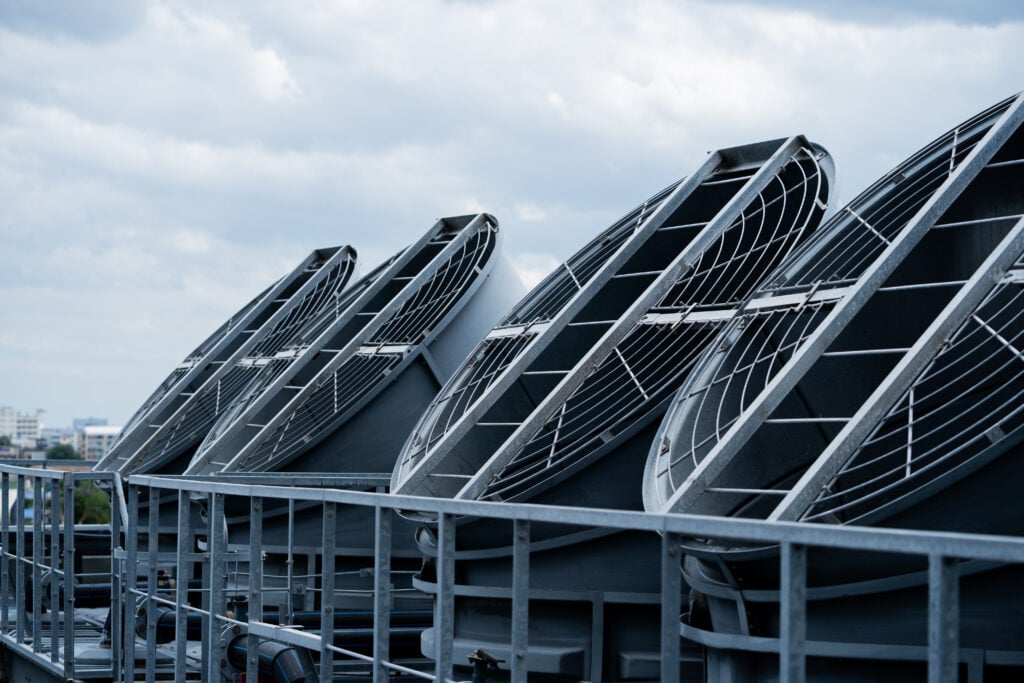
Commercial chillers work quietly in the background, keeping buildings comfortable and industrial processes running smoothly. Because they’re often tucked away in mechanical rooms or rooftops, it’s easy to forget about them until something goes wrong. But an industrial chiller rarely fails without warning. Most breakdowns are preceded by subtle signals that, if caught early, can save facility managers from costly emergency repairs and unplanned downtime.
Understanding these warning signs is essential for anyone responsible for maintaining commercial HVAC or industrial cooling systems. Here’s what to watch for.
Inconsistent Temperature Control
One of the earliest indicators of chiller trouble is inconsistent cooling. If your facility feels warmer than usual, or if temperatures fluctuate throughout the day despite no changes in settings, your chiller may be struggling to keep up. This can stem from a variety of issues, including refrigerant problems, failing compressors, or sensor malfunctions. When an industrial chiller can no longer maintain a steady output, it’s a clear sign that something inside the system needs attention before the problem worsens.
Unusual Noises
Chillers aren’t silent, but they should operate with a predictable hum rather than jarring sounds. Grinding, rattling, squealing, or banging noises often point to mechanical wear, loose components, or bearing failure. Ignoring these sounds can lead to more significant damage down the line, as small mechanical issues tend to escalate quickly under continuous operating loads. If you notice a shift in your chiller’s normal operating sound, it’s worth investigating right away rather than waiting for the noise to disappear on its own.
Rising Energy Bills
A well-maintained chiller should operate at a fairly consistent efficiency level. When energy bills start climbing without a corresponding increase in usage or demand, it’s often because the chiller is working harder to produce the same cooling output. This inefficiency can result from dirty condenser coils, refrigerant leaks, or aging components that no longer perform optimally. Tracking energy consumption over time can help facility teams catch this issue before it becomes a major financial drain.
Water Leaks or Refrigerant Leaks
Any visible leak around your chiller system deserves immediate attention. Water leaks can indicate problems with pipe connections, pumps, or the evaporator, while refrigerant leaks are more serious and can affect both cooling performance and environmental compliance. Beyond the mechanical concerns, refrigerant leaks pose safety risks and often require specialized handling. If you spot puddles, drips, or unusual moisture near your chiller, don’t wait to have it inspected.
Frequent Cycling
Chillers are designed to run in controlled cycles, but if yours seems to be turning on and off more frequently than normal, this short cycling can indicate a deeper problem. Common causes include a malfunctioning thermostat, low refrigerant levels, or an oversized system that isn’t matched properly to the cooling load. Frequent cycling not only reduces efficiency but also places extra strain on the compressor, which is one of the most expensive components to replace.
Strange Odors
A burning smell, musty odor, or any unusual scent coming from your chiller system shouldn’t be ignored. Burning odors often suggest electrical issues or overheating components, while musty smells can point to mold or bacterial growth within the system. Both scenarios require prompt evaluation, as electrical problems can pose fire hazards and microbial growth can compromise air quality throughout the facility.
Reduced Airflow or Cooling Capacity
If certain areas of your building aren’t receiving adequate cooling, or if the overall airflow feels weaker than usual, your chiller might be dealing with blocked components, failing motors, or airflow restrictions. This is particularly important in industrial settings where consistent temperatures are critical to processes, equipment, or product storage. A drop in cooling capacity can affect operations well beyond simple comfort concerns.
Why Prompt Attention Matters
Addressing these warning signs early offers several advantages. Repairs caught in their initial stages are typically less expensive and less disruptive than dealing with a full system failure. Regular monitoring also extends the lifespan of your industrial chiller, helping you avoid premature replacement costs. Additionally, a chiller running at peak efficiency uses less energy, which translates to long-term savings on utility expenses.
Final Thoughts
Your commercial chiller plays a critical role in maintaining comfortable, safe, and productive environments. Recognizing the signs of trouble, whether it’s unusual noise, rising costs, or inconsistent performance, allows you to act before minor issues become major disruptions. Staying attentive to how your industrial chiller operates day to day is one of the simplest ways to protect your investment and keep operations running without interruption.
About Post Author

