
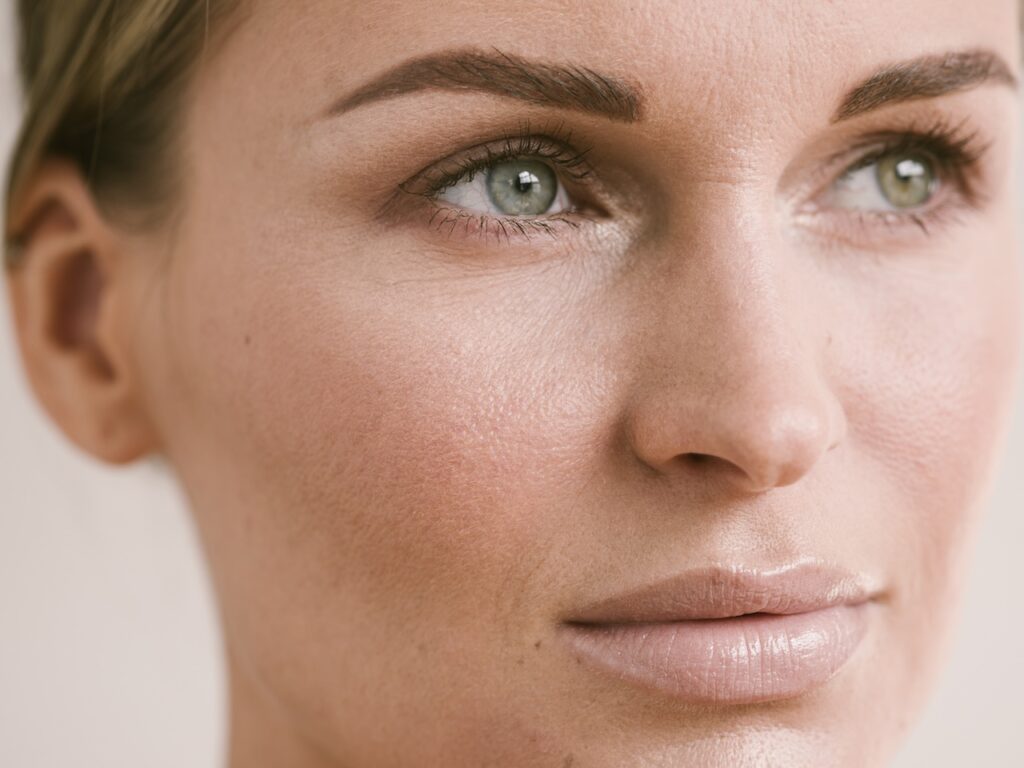
Microneedling has become a highly sought-after treatment for its remarkable ability to rejuvenate the skin, addressing everything from fine lines to acne scars. As a collagen-induction therapy, it works by creating controlled micro-injuries to trigger the body’s natural healing process. With advanced, FDA-cleared devices like SkinPen microneedling, the procedure has gained a reputation for delivering consistent and impressive results. But a common question remains: is it a safe and effective option for everyone, regardless of their skin type?
The answer is overwhelmingly yes, but with important considerations. Unlike some laser treatments or chemical peels that can pose risks for certain skin tones, microneedling is generally safe for a wide spectrum of skin types. This article explores how it works for different skin profiles and why professional guidance is non-negotiable.
How Microneedling Interacts with Different Skin Types
The key to microneedling’s broad suitability lies in its mechanism. It stimulates renewal physically rather than with chemicals or heat, which reduces the risk of certain side effects.
For Oily and Acne-Prone Skin
Individuals with oily skin often struggle with enlarged pores and acne scars. Microneedling can be highly effective in this case. The treatment helps regulate oil production over time and can significantly improve the texture of atrophic acne scars. By stimulating collagen, it helps to “fill in” the depressions left by old breakouts. However, microneedling should never be performed over active, pustular acne, as this can spread bacteria and worsen the breakout. A professional will always ensure the skin is in a suitable condition before treatment.
For Dry and Sensitive Skin
People with dry or sensitive skin may worry that microneedling will cause further irritation. In the hands of a skilled practitioner, the treatment can actually improve these conditions. The micro-channels created during the procedure allow for deeper penetration of hydrating serums and products, boosting their effectiveness. Furthermore, strengthening the skin’s collagen foundation can make it more resilient and less reactive over time. The treatment depth and intensity can be adjusted to accommodate sensitive skin, ensuring it is gentle yet effective.
For Darker Skin Tones (Fitzpatrick IV-VI)
One of the most significant advantages of microneedling is its safety profile for darker skin tones. Many laser and light-based treatments carry a risk of post-inflammatory hyperpigmentation (PIH) for individuals with more melanin, as the heat can trigger pigment-producing cells. Because microneedling does not use heat, this risk is substantially lower. It is an excellent option for addressing concerns like uneven skin tone, texture, and scarring in individuals of all ethnic backgrounds without the same level of pigmentation risk.
The Critical Role of Professional Oversight and FDA-Cleared Devices
While microneedling is versatile, its safety is not automatic. The expertise of the provider and the quality of the device are paramount.
- Professional Assessment: A qualified dermatologist or licensed esthetician must assess your skin before proceeding. They can identify any contraindications, such as active infections, eczema, or certain skin conditions, that would make the treatment unsafe.
- FDA-Cleared Devices: Using a device like SkinPen is crucial. FDA-cleared devices have been rigorously tested for safety and efficacy. They use sterile, single-use needle cartridges to prevent cross-contamination and are designed to create precise micro-injuries without tearing or damaging the skin. Non-professional, at-home rollers or imitation pens can cause scarring, infection, and unpredictable results.
- Customized Treatment: A professional will tailor the needle depth and treatment plan to your specific skin type and concerns. A one-size-fits-all approach is not safe or effective.
Conclusion: A Versatile Solution When Done Right
Microneedling is indeed one of the most inclusive cosmetic treatments available, offering a safe pathway to skin improvement for nearly every skin type and tone. Its ability to address a wide range of concerns—from scarring on oily skin to building resilience in sensitive skin—makes it a powerful tool.
If you are considering microneedling, the most important step is to schedule a consultation with a trusted skincare professional. They can evaluate your skin’s unique needs, confirm you are a good candidate, and ensure your treatment is performed with a high-quality, sterile device for the best possible outcome.
About Post Author

You may also like
-
The Two Wars We All Fight and What The Iliad and The Odyssey Teach Us About Balance Within Our Own Lives
-
How to Choose the Right Suit for Your Big Day
-
Traveling to the Caribbean with Kids: 15 Smart Tips for a Stress-Free Family Trip
-
Play Therapy Explained: How Kids Heal Through Play
-
The Rich Reporter Magazine Enters Print With Dana White on Its Historic Cover
