
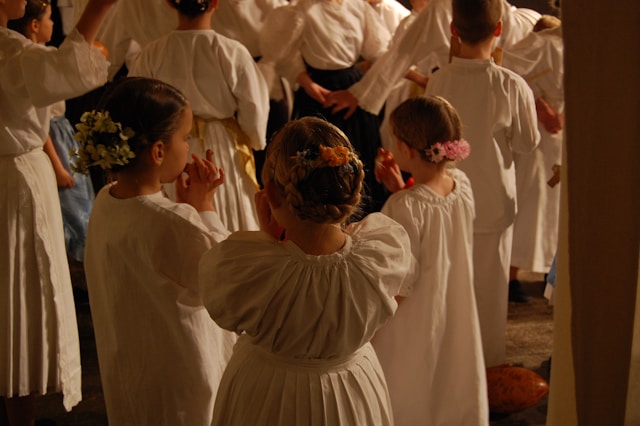
Why Winter is the Perfect Time for Your Child to Start a Dance Class
As the temperature drops and the snow begins to fall, it can be tempting to let your children settle into “human hibernation.” The long, cold winter months often mean more screen time, less activity, and an inevitable case of cabin fever. But what if the chill of winter became the perfect excuse to introduce your child to a fun, engaging, and incredibly beneficial activity? That’s exactly what a dance class can offer.
Signing your child up for a structured activity like dance during the off-season provides a powerful antidote to the winter blues. It’s more than just an hour of movement—it’s a dynamic activity that supports your child’s physical health, emotional well-being, and cognitive development at a time of year when they need it most. Let’s look at why winter is the ideal time to get your young one moving.
1. Keep Bodies Moving and Moods Up
When it’s too cold or dark to play outside, finding ways to burn off energy is a constant struggle for parents. Dance classes provide a warm, safe, and exciting indoor environment where children can stay active. This regular, aerobic exercise is essential, as it helps strengthen the immune system—a definite plus during flu season—and maintains cardiovascular health.
Beyond the physical workout, movement is a proven mood-booster. Physical activity releases endorphins, the body’s natural “feel-good” chemicals, which are crucial for combating the “winter blues” that can leave children feeling sluggish or unmotivated. Dance is a joyful, expressive form of exercise that encourages a positive association with fitness, helping your child stay energetic and balanced all winter long.
2. A Powerful Boost to Confidence and Emotional Expression
For many children, a dance studio is a first-rate laboratory for emotional and social growth. As they learn new choreography and practice for a performance, they’re not just mastering steps; they’re gaining a deep sense of accomplishment.
Dance is uniquely personal and expressive. Even when following specific choreography, the art form allows a child to bring their own unique personality to the movement. This freedom to express ideas and emotions non-verbally is a healthy way for children to explore and manage their feelings, which is especially important during the pre-teen and teenage years when emotions can be a roller coaster. Mastering a difficult move or successfully performing a routine dramatically boosts confidence and self-esteem that will carry over into the classroom and social situations.
3. Sharpening the Mind Through Movement
Dance is often described as an activity that is as good for the brain as it is for the body. The cognitive benefits are vast and often go unnoticed. Learning a new sequence, remembering a long set of steps, and moving in time with music all challenge the mind in complex ways.
Dance actively enhances:
- Memory: Recalling choreography helps to improve working memory and pattern recognition.
- Focus and Concentration: Dancers must stay engaged and present to execute moves and follow the instructor, a skill that is highly transferable to school and academic tasks.
- Problem-Solving: Figuring out how to transition between complex moves or adapt to changes in a routine encourages flexible thinking and problem-solving skills.
The combination of listening to music, following instructions, and coordinating the body strengthens the neural pathways that are foundational for all learning.
4. Building Teamwork and Discipline
Unlike some solo sports, dance is an inherently collaborative art form. While each child is focused on their own technique, they must also work together to create a unified performance. This is a priceless lesson in teamwork, cooperation, and respect.
From following multi-step directions to practicing a sequence until it’s perfect, dance instills a powerful sense of discipline, persistence, and focus. Dancers quickly learn that skill and mastery take patience and dedication—a foundational life lesson for future success. It teaches children “grit,” the commitment to a long-term goal despite challenges, and how to take constructive criticism gracefully.
This winter, give your child a fun, creative, and purposeful outlet that will benefit them long after the snow melts. Enrollment in a dance class provides a structured way to stay active and engaged, making the long indoor months productive and exciting. To find the perfect style and schedule for your child, look into local programs today.
About Post Author

You may also like
-
The European Union’s Path to Less Packaging Waste
-
How Commercial Roof Maintenance Can Improve Property Management
-
The Untraceable Isn’t Unprovable: Shantonia Wayne on the Paper Trail Behind Citizenship by Descent
-
The statistic behind every future-of-work speech deserves a closer look
-
Leigh Tesar Scheme Allegedly Targeted Terminally Ill Patients with High-Payout Wound Procedures
