
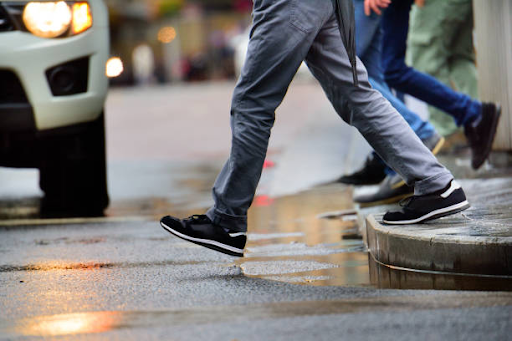
Pedestrian safety is one of the most pressing public health and transportation issues in communities across the United States. With the steady increase in urban development and vehicle traffic, intersections and crosswalks have become high-risk areas for pedestrians. Advocating for safer designs, stronger enforcement, and better awareness can save lives and make neighborhoods more walkable and accessible.
This article explores why crosswalk and intersection safety matters, examines current challenges, highlights strategies for improvement, and provides resources for individuals and communities working to create safer roads.
The Importance of Pedestrian Safety
Every trip begins and ends with walking, whether it’s a short stroll to the corner store or a longer journey combined with public transportation. Unfortunately, pedestrians are among the most vulnerable road users. Unlike drivers or cyclists, they lack protective barriers in the event of a crash.
According to national statistics, thousands of pedestrians are killed each year, and hundreds of thousands more are injured in traffic accidents. These incidents disproportionately affect children, older adults, and individuals in lower-income communities who may rely more heavily on walking. For an in-depth look at the data, the Injury Facts pedestrian safety resource provides valuable insights into the scope of the problem.
Common Dangers at Crosswalks and Intersections
Distracted Driving and Walking
One of the biggest risks at crosswalks comes from distracted driving. Motorists using phones or other devices may fail to notice pedestrians in time to stop. Similarly, distracted walking—such as using a phone while crossing—can also lead to accidents.
Speeding and Aggressive Driving
The faster a car is moving, the less time the driver has to react and the greater the likelihood of a fatal crash. Speed limits are often too high for areas with heavy pedestrian traffic, particularly near schools and residential neighborhoods.
Poor Visibility
Inadequate lighting, obstructed sightlines, and faded crosswalk markings make it difficult for drivers to spot pedestrians in time. Nighttime and early morning hours are especially dangerous.
Inconsistent Infrastructure
Not all intersections are designed with pedestrians in mind. Missing crosswalks, short signal times, and lack of pedestrian refuge islands can create hazardous conditions.
Designing Safer Crosswalks and Intersections
Communities can make significant progress toward safety by rethinking the way intersections are designed.
Improved Crosswalk Markings and Signage
High-visibility crosswalks with bold paint and reflective elements alert drivers to the presence of pedestrians. Signs reminding drivers to yield can reinforce safety.
Pedestrian Refuge Islands
On wide roads, median islands provide a safe space for pedestrians to pause before finishing their crossing, reducing exposure to moving traffic.
Extended Crossing Times
Traffic signals often prioritize vehicle flow, leaving pedestrians with little time to cross. Extending signal times and using pedestrian-activated signals improve accessibility for all age groups.
Roundabouts and Traffic-Calming Measures
Replacing traditional intersections with roundabouts can reduce vehicle speeds and the severity of crashes. Speed humps, raised crosswalks, and curb extensions also slow drivers in pedestrian-heavy areas.
Policy and Legal Advocacy
Advocating for safer crosswalks doesn’t stop with engineering solutions. Policy change plays a crucial role.
Vision Zero and Safety Campaigns
Cities adopting “Vision Zero” policies commit to eliminating traffic fatalities through data-driven strategies and community input. These initiatives often include infrastructure improvements, stricter enforcement, and educational campaigns.
Enforcing Right-of-Way Laws
Pedestrian right-of-way laws exist in most states, but enforcement is inconsistent. Increased patrols, ticketing for violations, and public awareness campaigns can encourage compliance.
Community Involvement
Neighborhood associations, advocacy groups, and concerned citizens can lobby for safer intersections. Public meetings and transportation planning sessions provide opportunities for residents to voice concerns and propose solutions.
Raising Awareness Through Education
Changing behaviors is just as important as changing infrastructure.
Driver Education
Drivers should be trained to anticipate pedestrians, especially in urban areas and school zones. Public service announcements and driver’s license courses can emphasize this responsibility.
School and Youth Programs
Teaching children safe crossing techniques and encouraging walking or biking to school with supervision fosters lifelong safety habits.
Public Campaigns
Community-wide efforts, including billboards, social media campaigns, and workshops, can reinforce the message that pedestrian safety is a shared responsibility.
Legal Support for Pedestrian Accident Victims
Despite best efforts, accidents still occur. Victims of pedestrian crashes may face medical bills, lost income, and long-term recovery challenges. Legal representation can be essential in securing compensation and holding negligent drivers accountable.
For individuals in North Carolina and surrounding areas, a pedestrian accident lawyer at Shane Smith Law can provide guidance and support through the claims process. Their team focuses on protecting pedestrian rights and pursuing justice for accident victims.
If you’re considering legal help, resources like this article can assist in making informed decisions. Additionally, legal directories offer background information on law firms and their services.
Building Safer Communities Together
Creating safer crosswalks and intersections requires a collective effort. City planners, lawmakers, law enforcement, advocacy groups, and everyday residents must work together. Whether through supporting better infrastructure, pushing for policy changes, or raising awareness, each contribution helps move communities closer to safer streets.
Pedestrian safety is not just a transportation issue—it’s a public health priority, a social justice matter, and a reflection of community values. By advocating for safer crosswalks and intersections, we can reduce injuries, save lives, and foster more walkable, connected neighborhoods for everyone.
Conclusion
Pedestrians should feel safe navigating their communities, yet too often, crosswalks and intersections present life-threatening hazards. Through improved design, policy change, education, and legal advocacy, meaningful progress is possible.
From slowing traffic and extending crossing times to enforcing right-of-way laws and supporting accident victims, the path to safer streets is clear. Advocacy is not just about preventing accidents—it’s about ensuring that all people, regardless of age, ability, or background, can move freely and safely where they live.
Communities that prioritize pedestrian safety ultimately create healthier, more inclusive, and more vibrant places for all.
About Post Author

