
Construction sites are dynamic environments where multiple trades, heavy machinery, elevated workspaces, and hazardous materials intersect. While the construction industry is vital to infrastructure development and economic growth, it consistently ranks among the most dangerous occupations in the United States. According to federal safety data, thousands of construction workers are injured each year, many suffering long-term or permanent consequences.
Understanding common construction hazards is essential for improving workplace safety, supporting occupational health education, and reducing preventable injuries. This article examines five of the most frequent hazards faced by construction workers, explains how these dangers arise, and highlights the importance of regulatory compliance and risk mitigation.
1. Falls From Heights
Why Falls Are the Leading Cause of Construction Injuries
Falls remain the single greatest cause of fatalities and serious injuries in the construction industry. Workers frequently operate at elevated heights on scaffolding, ladders, roofs, and unfinished structures. Even short falls can result in traumatic brain injuries, spinal cord damage, fractures, or death.
Common fall-related risk factors include:
- Unprotected roof edges
- Improperly assembled scaffolding
- Misuse of ladders
- Absence of guardrails or safety nets
- Inadequate fall-arrest systems
Prevention and Safety Measures
Fall prevention relies heavily on engineering controls and personal protective equipment (PPE). Guardrails, harness systems, secure scaffolds, and clearly marked hazard zones significantly reduce fall risks. Training workers to recognize unsafe conditions and follow safety protocols is equally critical.
For detailed guidance on engineering-based safety controls, OSHA provides comprehensive construction safety resources.
2. Struck-by Hazards
Understanding Struck-by Accidents
Struck-by incidents occur when workers are hit by moving objects, falling materials, vehicles, or swinging equipment. These hazards are especially common on busy construction sites where cranes, forklifts, trucks, and power tools operate simultaneously.
Examples include:
- Being hit by falling tools or debris
- Contact with swinging crane loads
- Vehicle-related accidents involving dump trucks or forklifts
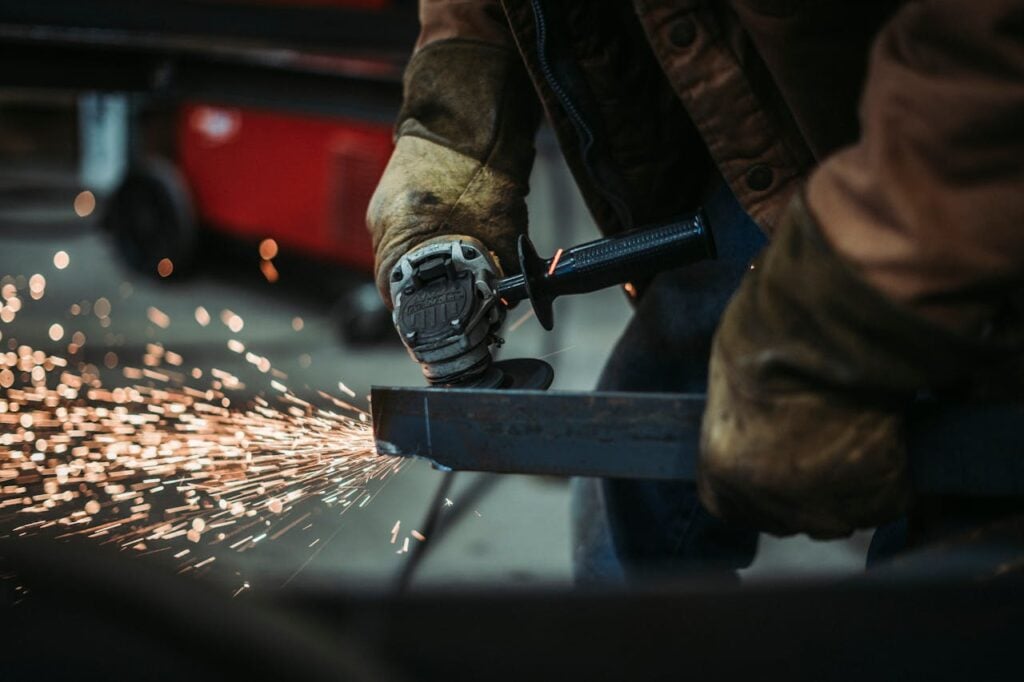
- Flying particles from cutting or drilling operations
Risk Reduction Strategies
Reducing struck-by hazards involves:
- Establishing clear traffic control plans
- Using barricades and exclusion zones
- Securing tools and materials at height
- Requiring high-visibility clothing
Proper site planning and communication between equipment operators and ground workers play a crucial role in preventing these injuries.
3. Electrocution and Electrical Hazards
Electrical Risks on Construction Sites
Construction workers regularly encounter live electrical circuits, temporary wiring, overhead power lines, and energized equipment. Electrocution hazards are particularly prevalent during excavation, framing, and utility installation activities.
Electrical injuries may result in:
- Severe burns
- Cardiac arrest
- Nerve damage
- Fatal shock
Common Causes of Electrical Injuries
Electrical incidents often stem from:
- Contact with overhead or underground power lines
- Faulty or damaged extension cords
- Improper grounding of tools and equipment
- Wet conditions combined with exposed wiring
Preventive measures include lockout/tagout procedures, ground-fault circuit interrupters (GFCIs), and comprehensive worker training.
4. Caught-In or Caught-Between Hazards
What Are Caught-In/Between Accidents?
Caught-in or caught-between hazards involve workers being crushed, squeezed, or trapped between objects. These incidents are frequently associated with trenching, excavation, and heavy equipment operations.
Typical scenarios include:
- Trench collapses
- Workers are pinned between machinery and walls
- Entanglement in moving mechanical parts
- Collapse of structural components during demolition
Engineering Controls and Best Practices
Trenching and excavation work require protective systems such as:
- Trench boxes or shoring
- Proper soil classification
- Sloping or benching of trench walls
Strict adherence to safety standards and daily site inspections significantly reduces the likelihood of catastrophic injuries.
5. Exposure to Hazardous Substances
Chemical and Environmental Health Risks
Construction workers may be exposed to a wide range of hazardous substances, including asbestos, silica dust, lead, solvents, and welding fumes. Prolonged or high-level exposure can cause chronic respiratory diseases, neurological disorders, and other serious health conditions.
Health risks associated with hazardous exposure include:
- Silicosis
- Lung cancer
- Occupational asthma
- Skin and eye injuries
Mitigating Long-Term Health Hazards
Effective exposure control strategies include:
- Proper ventilation systems
- Dust suppression methods
- Respiratory protection programs
- Compliance with permissible exposure limits
Education and early detection are critical, as many occupational illnesses develop gradually and may not present immediate symptoms.
The Role of Safety Training and Legal Awareness
Construction safety is a shared responsibility among employers, contractors, supervisors, and workers. While regulatory agencies establish minimum safety standards, ongoing education and enforcement are necessary to adapt to evolving construction practices and technologies.
When serious injuries occur despite preventive efforts, workers and their families often seek reliable information about workplace rights and injury-related legal processes. Educational resources that explain these issues may reference experienced legal professionals, such as a Boston construction accident lawyer, to help contextualize how injury cases are addressed within the legal system.
Additional professional background information on construction injury representation can be found here.
Conclusion
Construction work inherently involves risk, but many of the most common hazards—falls, struck-by incidents, electrocution, caught-in/between accidents, and hazardous substance exposure—are preventable. Through proper engineering controls, safety training, regulatory compliance, and hazard awareness, injury rates can be significantly reduced.
Educational institutions, industry leaders, and policymakers all play an important role in advancing construction safety knowledge. By understanding these common hazards and the strategies used to mitigate them, stakeholders can help foster safer job sites and protect the health and lives of construction workers nationwide.
About Post Author

