
Escalating conflict involving Iran is beginning to ripple through global agricultural markets, adding new pressure on fertilizer supplies and increasing costs for American farmers and ranchers at a critical point in the growing season.
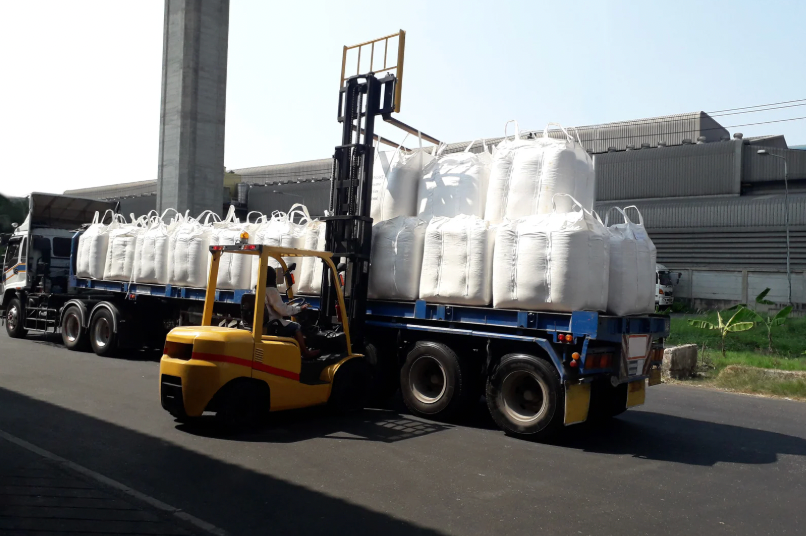
While much of the fertilizer used in the United States is produced domestically or within North America, production costs remain closely tied to global energy markets. Nitrogen-based fertilizers such as urea rely heavily on natural gas, making them particularly sensitive to geopolitical disruptions. Since the recent escalation involving Iran, the price of imported urea—a key input for crop production—has risen by nearly one-third, tightening supply and driving up costs across the agricultural sector.
The Middle East plays an outsized role in global fertilizer exports, and ongoing instability is raising concerns about supply continuity. The Strait of Hormuz, a vital shipping corridor, is central to the movement of both energy and agricultural commodities. In 2024, Qatar, Saudi Arabia, and Iran ranked among the top five exporters of nitrogen fertilizer, accounting for roughly 25% of global exports. When Egypt and Bahrain are included, the broader region supplied more than one-third of global nitrogen fertilizer trade, valued at over $2.6 billion.
Disruptions in this region have implications far beyond supply availability. Iran exports fertilizer to major agricultural producers such as Turkey and Brazil—countries that compete directly with the United States in global commodity markets. Any sustained disruption could alter production capacity abroad, shift pricing dynamics, and affect U.S. competitiveness in international trade.
Despite strong domestic production, the United States remains dependent on global fertilizer markets. In 2024, approximately 25% of total U.S. fertilizer consumption was imported, leaving producers exposed to international price fluctuations and supply chain disruptions. While phosphate fertilizers are sourced from a broader range of countries, the Middle East remains a meaningful contributor. Israel and Egypt alone account for several hundred million dollars in annual phosphate exports, and ongoing conflict increases the risk of delays or interruptions—particularly for shipments passing through or near the Strait of Hormuz.
For U.S. producers, these global dynamics are translating into immediate financial strain. As planting season begins, farmers are facing rising input costs driven by higher fertilizer prices, compounded by increased fuel and transportation expenses tied to energy market volatility.
Andrew Coppin, CEO of Ranchbot, says ranchers are already experiencing the downstream effects. As fertilizer costs increase, so do the prices of feed inputs such as corn and hay, which are directly linked to crop production expenses. This creates a cascading effect across the agricultural value chain, raising the cost of raising livestock and compressing margins.
Ranchers are now absorbing higher costs across feed, fuel, and logistics while facing limited flexibility to offset those increases. The result is growing pressure on profitability, forcing producers to make difficult decisions about herd sizes, capital investments, and long-term production strategies.
At the same time, the financial strain extends beyond the farm. Even as producers contend with tighter margins, consumers are beginning to see higher prices at the grocery store. Economists often point to structural inefficiencies in the U.S. food supply chain, where rising input costs are amplified as they move from production to retail.
With the Iran conflict continuing to disrupt both energy and fertilizer markets, the outlook suggests sustained upward pressure on food prices. American consumers could see increased costs across key categories, including produce, meat, and dairy, in the months ahead.
As global instability persists, the connection between geopolitical events and domestic food prices is becoming increasingly direct—placing additional strain on both producers and consumers across the United States.
About Post Author

You may also like
-
How Commercial Roof Maintenance Can Improve Property Management
-
The Untraceable Isn’t Unprovable: Shantonia Wayne on the Paper Trail Behind Citizenship by Descent
-
The statistic behind every future-of-work speech deserves a closer look
-
Leigh Tesar Scheme Allegedly Targeted Terminally Ill Patients with High-Payout Wound Procedures
-
How to Bring Your Spouse to the United States
