
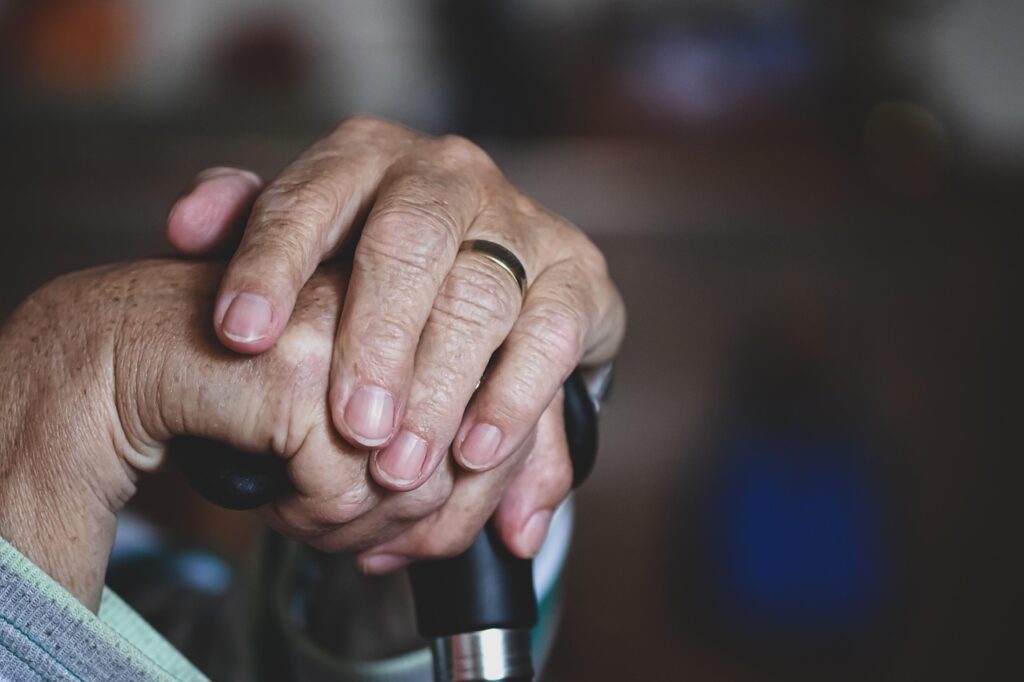
Placing a loved one in a nursing home is never an easy decision. Families make this choice with the hope that professional caregivers will provide the attention, safety, and medical care that aging relatives need. Unfortunately, not all facilities live up to that promise. Across the country, cases of elder neglect, mistreatment, and abuse continue to rise, making it more important than ever to understand how to recognize abuse and the role a legal advocate can play in stopping it.
According to the Wikipedia page on nursing homes, these facilities are meant to provide residential care for elderly individuals who require constant supervision or medical support. But when staff are undertrained, overworked, or negligent, the very systems meant to protect the elderly can become harmful.
What Constitutes Nursing Home Abuse?
The Various Forms of Mistreatment
Nursing home abuse isn’t always physical. While bruises and broken bones are alarming and often easy to recognize, emotional, sexual, and financial abuse are far more subtle. Emotional abuse can take the form of verbal insults, threats, or manipulation. Financial abuse might involve unauthorized withdrawals or forged signatures on important documents. And neglect arguably the most common form includes failing to provide adequate food, hygiene, medication, or timely medical attention.
Warning Signs for Concerned Families
Recognizing abuse early can save lives. Keep an eye out for:
- Unexplained injuries or frequent hospital visits
- Sudden changes in behavior such as anxiety, depression, or fearfulness
- Poor hygiene or signs of malnutrition
- Withdrawal from social interaction
- Discomfort or fear around certain staff members
Loved ones often rely on their families to be their voice when they’re unable to speak up. That’s why awareness and proactive observation are critical.
The Crucial Role of a Nursing Home Abuse Lawyer
Why Legal Help Is Essential
When abuse is suspected or confirmed, emotions run high families may feel anger, fear, and confusion. This is where a specialized attorney becomes invaluable. A Nursing Home Abuse Lawyer is trained to navigate these complex cases, ensuring that negligent caregivers or facilities are held accountable and that your loved one receives justice.
These lawyers do more than file lawsuits. They conduct investigations, work with medical experts, gather evidence, and help families understand their rights. They’re also familiar with state and federal nursing home regulations, allowing them to identify where care standards were violated.
Legal Experience Matters
Not all lawyers are equipped to handle elder abuse cases. The best results often come from working with firms that focus specifically on nursing home litigation. One such example is Schenk Smith LLC, a firm known for its focused approach to representing victims of elder abuse and neglect. Their experience in this field makes them better equipped to navigate the intricate legal landscape and build a strong case for victims and their families.
Legal Options Available to Victims and Families
Civil Lawsuits
Most nursing home abuse cases are addressed through civil lawsuits. These lawsuits aim to recover compensation for the victim’s injuries, emotional trauma, medical bills, and in some cases, punitive damages intended to deter future misconduct. An attorney can help calculate the full extent of damages, including long-term medical and psychological effects.
Criminal Charges
In particularly egregious cases, criminal charges may also be pursued. Prosecutors can file charges against individual staff members or facility administrators if their actions (or lack thereof) amount to criminal negligence or intentional harm. While criminal cases don’t offer financial restitution to the victim, they serve to punish the abuser and prevent recurrence.
Steps to Take If You Suspect Abuse
Act Quickly
Time is critical in abuse cases. As soon as you suspect mistreatment, document everything. Take photographs, keep a journal of symptoms or behavioral changes, and gather medical records. This evidence will be essential in building a legal case.
Report the Abuse
Start by reporting your concerns to the nursing home’s administration. If they are unresponsive or dismissive, escalate the issue to the state’s long-term care ombudsman or Adult Protective Services. In urgent cases, don’t hesitate to involve law enforcement.
Contact a Lawyer
Engaging a lawyer as early as possible helps ensure your actions are legally sound and strategically effective. A qualified attorney will not only provide legal advice but also coordinate with medical professionals, caregivers, and investigators to ensure the abuse stops immediately.
The Emotional Impact on Families
Beyond the legal implications, nursing home abuse leaves deep emotional scars on both the victim and their family. Discovering that a trusted facility failed to protect a loved one can lead to feelings of betrayal, guilt, and helplessness. These emotional challenges often persist long after the legal case is resolved.
Support groups and counseling can help families cope with the trauma of abuse. Mental health professionals familiar with elder care dynamics can also offer guidance on how to rebuild trust and emotional stability within the family unit.
How to Prevent Abuse in the First Place
Do Thorough Research Before Choosing a Facility
Prevention starts with selection. Before placing a loved one in a nursing home, investigate the facility’s history. Look at inspection reports, state licensing status, and online reviews. Ask about staff-to-resident ratios, emergency procedures, and employee background checks.
Stay Involved and Observant
Regular, unannounced visits can significantly reduce the risk of abuse. Establishing relationships with staff, participating in care planning meetings, and staying involved in day-to-day decisions create a layer of accountability for the facility.
Empower Your Loved One
Where possible, educate your loved one about their rights. Encourage them to speak up if something feels wrong. Even small actions like providing a personal cell phone or giving them access to a private communication channel can make a difference in keeping them safe.
Conclusion: Advocacy Starts with Action
Nursing home abuse is an unfortunate reality, but it’s not one that families have to face alone. Legal professionals dedicated to elder law make a substantial difference in helping victims recover, seek justice, and prevent future abuse. By remaining vigilant, acting quickly, and choosing the right legal support, families can take back control in what may feel like an overwhelming situation.
The decision to trust a facility with the care of a loved one is significant. If that trust is broken, holding the responsible parties accountable is not only just, it’s necessary. Let legal experts be your guide through the process, ensuring your loved one’s safety, dignity, and well-being remain protected.
About Post Author

