
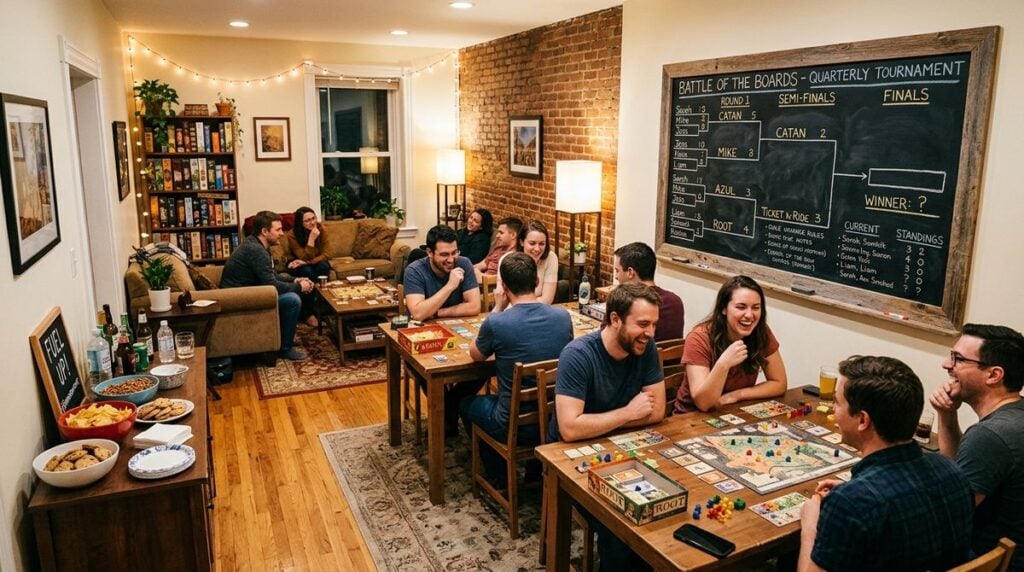
Competitive gaming nights have become a popular way for local game shops to draw players through the door. A tournament can fill a quiet weeknight, introduce newcomers to the hobby and give regulars a reason to return. Yet a competitive event also brings prize questions, equipment demands and a crowd that can become tense. This article covers the pros and cons in plain terms for a shop owner who is considering the idea but has not yet run a tournament.
Why Tournaments Draw Crowds
The main benefit is attention. A scheduled competition gives people a clear reason to visit at a specific time, and that focus can bring in players who would never browse the shelves otherwise. Friends often arrive together, which means one event can bring several new customers at once. Spectators also linger, watch matches and sometimes sign up for the next round.
Readers may also want to visit Hospitalroad.com. Each format suits a different crowd size and time slot. Choosing the right one at the start prevents long waits, frustrated players and matches that stretch past closing time.
The Downsides Owners Should Weigh
Tournaments demand far more management than a casual game night. Someone must check entries, track scores, settle disputes and keep the schedule moving. If the owner is also serving customers and restocking shelves, the event can take over the whole shop. Staffing needs to be planned in advance, or the team will feel stretched.
Equipment is another cost. Tables, controllers, screens and seating may need upgrading to handle a serious crowd, and wear on shared gear can grow quickly. You can also visit wnyhealthshow.com for more reading.
Entry Fees, Prizes and Fairness
Money decisions shape the atmosphere. An entry fee can cover prizes and help pay for staff time, but a high price may keep some players away. Prizes that are too generous can attract people who only want the reward, while prizes that are too small may feel unworthy of the effort. A clear, modest structure usually suits a neighborhood shop best.
Fairness depends on rules that everyone can read. A posted code of conduct, a simple dispute process and a rule about banned behavior protect both the players and the shop. Without those rules, a single argument can spread through the room and drive regulars away for good. For a related read on this site, see Company Pickup Trucks: Hauling Benefits and Hidden Expenses.
Making the Event Welcoming
Newcomers are the key to long-term success. A beginner bracket, a short tutorial before play or a friendly volunteer who explains the basics can make a big difference. Many shops also run casual side events so people who are not ready for competition can still take part. That mix keeps the night open to a wider group.
A simple sign-up sheet and a clear schedule posted at the counter can help players plan their visit and reduce confusion on the day. Keep the information short, accurate and easy to update. Players appreciate knowing when check-in closes and what equipment they need to bring.
Esports nights suit shops with space, reliable equipment and staff who enjoy running events. They are less suitable for small rooms, limited budgets or owners who prefer a relaxed social atmosphere. The honest test is whether the shop can handle the workload for several months, not just one exciting launch night.
Prize tables work best when they are easy to explain. A posted sheet that shows entry costs, payout rules and the tie-break method prevents many arguments before they start. Some shops also publish a short post-event summary with results and photos, which helps regulars feel part of the community. Those small acts of transparency make the next night easier to run and more appealing to newcomers who are deciding whether to return.
Give every newcomer a clear starting point. A short welcome note at the counter, a tutorial table and a volunteer with time to explain the rules can turn a nervous first visit into a pleasant one. Ask players to share what would make them feel more comfortable, and act on the most common answers. A shop that listens to its newest players often gains the most loyal regulars. Small kindnesses, such as a free drink or a quick word of thanks, add to the goodwill.
Weighing the Event
Competitive nights bring new faces, lively weekends and loyal regulars, but they also demand planning, staff time and careful rules. A small pilot with a clear format, modest prizes and a welcoming beginner option can show whether the crowd and the workload fit the shop. Expanding slowly after that keeps the event fun for players and manageable for the team. Keep the format simple, review each event honestly and let the crowd shape the next season of play. Good tournaments rarely happen by accident. They grow from clear rules, calm staff, sensible prizes and a steady willingness to learn from each night’s results.
About Post Author

