
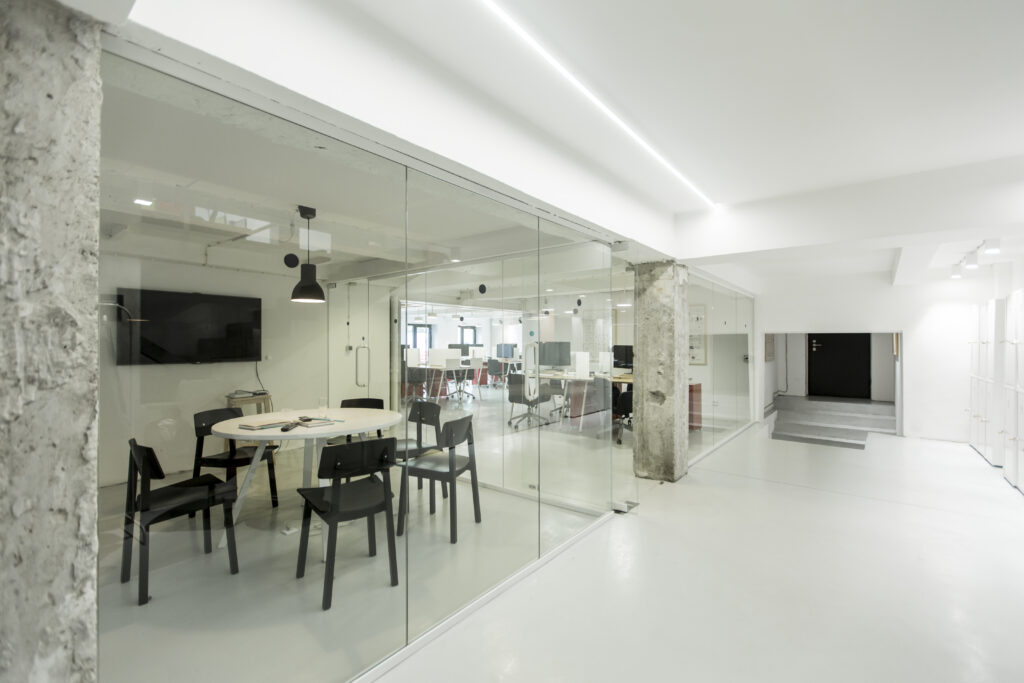
Glass has long been a symbol of modernity in architecture. From soaring corporate towers to sleek retail storefronts, it shapes how we experience built environments. But can glass truly replace traditional walls in commercial buildings — not just aesthetically, but functionally? The answer is nuanced, and it depends on what you’re asking glass to do.
What Glass Brings to the Table
The appeal of glass in commercial architecture goes beyond looks. Floor-to-ceiling glazing floods interiors with natural light, reducing reliance on artificial lighting and creating a sense of openness that employees and visitors respond to positively. Transparency also fosters a visual connection between spaces, which can encourage collaboration and signal organizational culture — think open, accountable, accessible.
Modern architectural glass has also evolved dramatically. Structural glass systems, laminated panels, and high-performance glazing can now bear significant loads, resist impact, and meet fire safety requirements that once made glass impractical as a wall replacement.
Where Glass Falls Short
That said, glass isn’t a one-size-fits-all solution. Traditional walls — whether concrete, brick, or drywall — offer inherent advantages that glass struggles to match without significant engineering workarounds.
Thermal performance is one challenge. Standard glass conducts heat far more readily than insulated wall systems. In climates with extreme temperatures, heavily glazed buildings can drive up energy costs. Double and triple-glazed units with low-emissivity coatings have narrowed this gap, but they rarely achieve the same insulation value as a well-constructed opaque wall.
Acoustic privacy is another consideration. Sound travels easily through glass, which can be a problem in office environments where confidentiality matters — legal firms, medical facilities, and financial institutions, for example. Acoustic laminated glass helps, but solutions often add cost and complexity.
Structural load requirements also limit pure glass walls. While structural glazing systems exist, they typically require supporting steel or aluminum frameworks. Glass alone rarely acts as a true load-bearing wall in large-scale commercial construction.
Hybrid Architecture: The Middle Ground
Most successful commercial projects don’t choose between glass and traditional walls — they blend both strategically. A building might use glass curtain walls on its exterior facade while relying on concrete or steel cores for structural integrity and fire resistance. Interior partitions may use glass where transparency is desirable and solid walls where sound control or privacy is needed.
This hybrid approach lets architects leverage glass where it performs best while using traditional materials to cover its limitations. It’s less about replacement and more about purposeful integration.
The Role of Technology
Emerging technologies are steadily pushing glass further into territory once reserved for solid walls. Electrochromic smart glass can switch from transparent to opaque at the touch of a button, addressing privacy concerns. Vacuum-insulated glazing is improving thermal performance significantly. And advances in structural glazing continue to expand what’s architecturally possible.
These innovations suggest that over time, glass will take on an even greater role in commercial architecture — not by fully replacing traditional walls, but by closing the performance gaps that have historically held it back.
Final Thoughts
Glass can replace traditional walls in many commercial applications, but it works best when used thoughtfully rather than universally. The question architects and developers should ask isn’t whether glass can replace walls, but where it should. When that question drives design decisions, glass becomes a powerful tool rather than a limitation — one that shapes light, space, and experience in ways solid walls simply cannot.
About Post Author

