
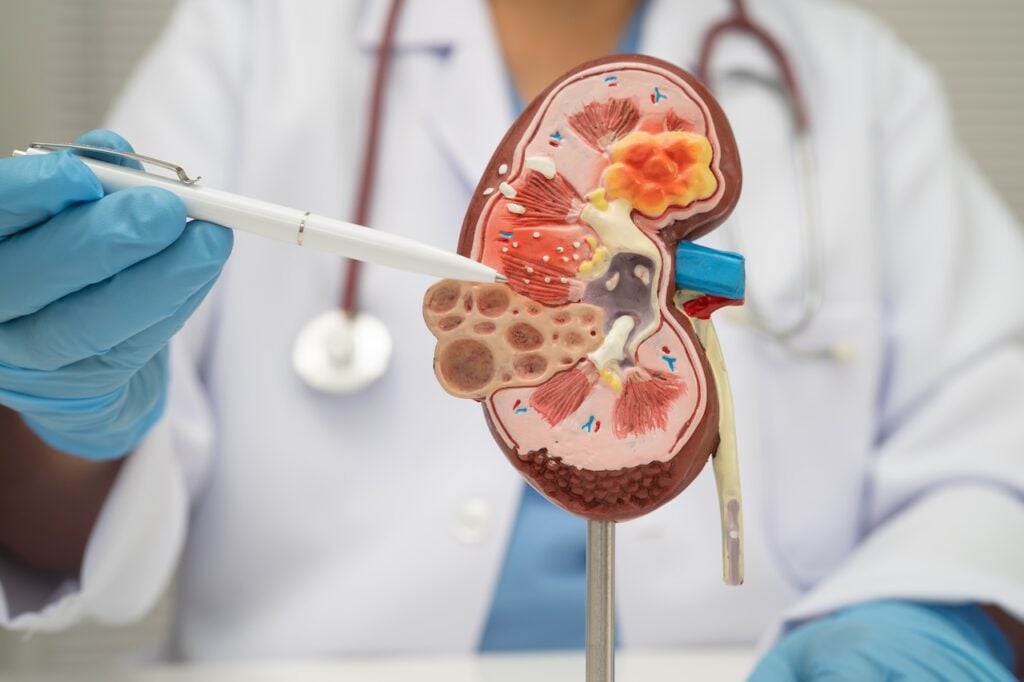
Kidney stones can sneak up on you. One day you feel fine, and the next you’re doubled over in pain wondering what went wrong. These hard mineral deposits form inside your kidneys and can cause real misery as they move through your urinary tract. The good news? Recognizing the warning signs early helps you get expert care for kidney stones before things get worse. Here are five symptoms you should never ignore.
1. Severe Pain in Your Back or Side
The most common sign of kidney stones is intense pain. It usually starts below your ribs, on one side of your back. From there, it can spread to your lower belly and groin.
This pain often comes in waves. It might fade for a few minutes, then return with a vengeance as the stone shifts position. People who have experienced it often describe it as one of the worst pains they’ve ever felt—some even compare it to childbirth.
If you’re struggling to sit still or find a comfortable position, that’s a strong clue. Don’t try to tough it out. This kind of pain deserves prompt medical attention.
2. Blood in Your Urine
Seeing blood when you go to the bathroom is alarming, and it’s a major red flag for kidney stones. The medical term for this is hematuria.
Your urine might look pink, red, or brown. Sometimes the blood is so faint you can only see it under a microscope during a doctor’s test. Either way, blood in your urine means something is irritating your urinary tract—and a stone scraping its way through is a common cause.
Never brush this symptom off, even if it appears just once.
3. Nausea and Vomiting
Kidney stones don’t just affect your urinary system. They can upset your stomach too.
The nerves in your kidneys share connections with your digestive tract. When a stone causes severe pain, those signals can trigger nausea and vomiting. You might lose your appetite or feel sick even though you haven’t eaten anything unusual.
If nausea hits alongside back or side pain, kidney stones could be the reason. Staying hydrated matters here, but if you can’t keep fluids down, get help quickly.
4. Frequent or Painful Urination
A stone moving into your lower urinary tract can change how you pee. You may feel the urge to go far more often than normal. When you do go, only a small amount might come out.
Many people also feel a burning sensation during urination. This can feel a lot like a urinary tract infection, which makes it easy to misjudge. The difference matters, so let a doctor sort out the cause.
If your bathroom habits suddenly shift and discomfort tags along, take note.
5. Fever and Chills
This symptom is the most serious of all. Fever and chills alongside other kidney stone signs can mean you have an infection.
An infected stone is a medical emergency. Left untreated, the infection can spread and become life-threatening. Watch for a high temperature, shaking chills, and pain that keeps getting worse.
If you notice these signs, don’t wait. Head to the emergency room right away.
What You Should Do Next
Kidney stones are common, but they’re also very treatable. Drinking plenty of water, eating a balanced diet, and limiting salt can lower your risk. Still, prevention isn’t always enough.
If any of these five warning signs sound familiar, listen to your body. Early diagnosis means easier treatment and faster relief.
Don’t let kidney stones control your life. Schedule an appointment with a healthcare provider today and take the first step toward feeling like yourself again.
About Post Author

