
House hunting is exciting, but after touring dozens of properties, you might realize that nothing on the market perfectly matches your vision. You find a great kitchen, but the yard is too small. You find the perfect location, but the floor plan is completely chopped up. This common frustration leads many buyers to wonder if they should just build exactly what they want from the ground up.
Deciding to build a custom home is a thrilling prospect, but the journey to get the keys is fundamentally different from purchasing an existing property. If you’re weighing your options, understanding the stark contrasts in timeline, financing, and personal involvement will help you decide which path is actually right for your lifestyle.
The Timeline and the Process
When you buy an existing house, the timeline is predictable. Once your offer is accepted, you typically spend thirty to forty-five days waiting on inspections, appraisals, and mortgage underwriting before closing.
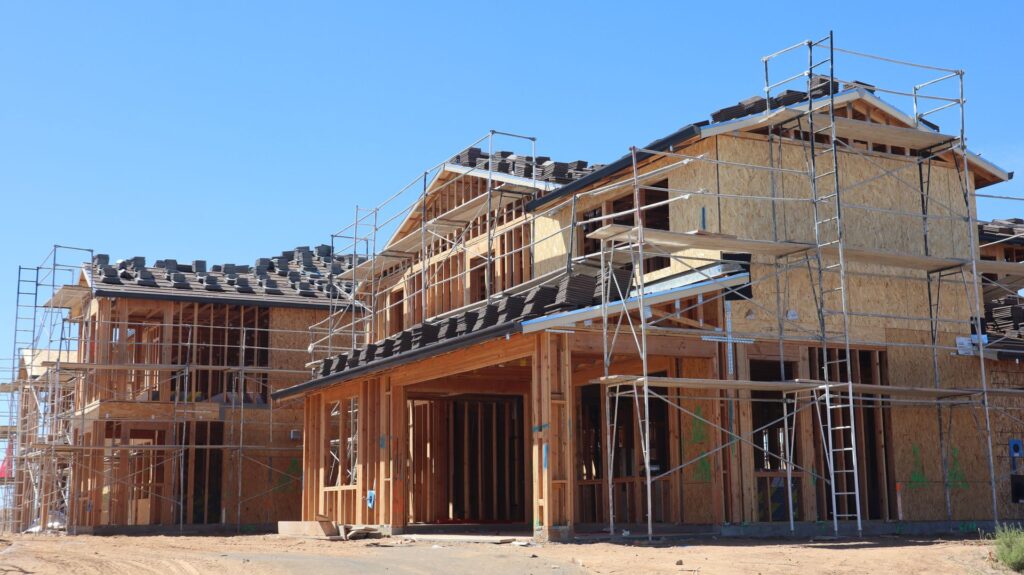
Building from scratch is a completely different ballgame. You’re waiting on architects, city permitting offices, weather conditions, and supply chains. According to data from the U.S. Census Bureau, the average time to complete a single-family house is around seven to nine months, and highly tailored projects often take well over a year. You have to be prepared for a marathon rather than a sprint. You’ll need a temporary place to live while the dirt is being moved and the framing goes up.
Financing the Project
The way you pay for the property is also distinctly different. An existing house utilizes a standard traditional mortgage. The bank assesses the current value of the standing property and hands over the money to the seller.
When you build, the house doesn’t exist yet, so there’s nothing for the bank to appraise in the traditional sense. Instead, you’ll need a construction loan. These are short-term loans that release funds in stages as the builder completes specific milestones, like pouring the foundation or putting on the roof. Once the house is completely finished, this loan is usually converted or refinanced into a standard permanent mortgage.
The Burden of Decision Making
Buying a prebuilt house requires you to compromise. You might hate the bathroom tile, but you can live with it, or you can plan to rip it out in a few years. The decisions are largely made for you.
Building requires you to make every single decision. While this sounds like a dream for anyone who loves interior design, decision fatigue is a very real phenomenon. You’ll need to choose the exact placement of electrical outlets, the style of the baseboards, the type of insulation, the grout color, and the finish on the cabinet hinges. It requires a massive time commitment and constant communication with your builder to ensure your vision translates correctly into reality. You’re acting as a partner in the project, not just a passive buyer.
Predictability of Costs
With a prebuilt property, the sticker price is generally the price you pay, minus any negotiations after the inspection. You know exactly what your monthly payment will be before you sign the paperwork.
Construction projects, however, are notorious for cost fluctuations. Even with a highly detailed contract, the price of raw materials like lumber, concrete, and copper can spike unexpectedly during the build. You might also decide halfway through the framing process that you actually want higher-end windows or a bigger kitchen island, which immediately adds to the final bill. Building requires a healthy contingency budget (usually ten to twenty percent of the overall cost) to absorb these inevitable surprises without derailing the project.
Choosing the Right Path for You
At the end of the day, neither option is universally better. They just cater to different needs and phases of life. If you’re relocating for a job and need a place to live in thirty days, purchasing an existing home is the only logical choice.
But if you plan to stay in the area for decades and want a space uniquely tailored to your daily routine, building is unmatched. You get the exact layout you need, modern energy efficiency, and a house where absolutely everything is brand new. By setting realistic expectations regarding the timeline and the financial structure, you can confidently navigate the process and create a living space that feels truly yours.
About Post Author

