
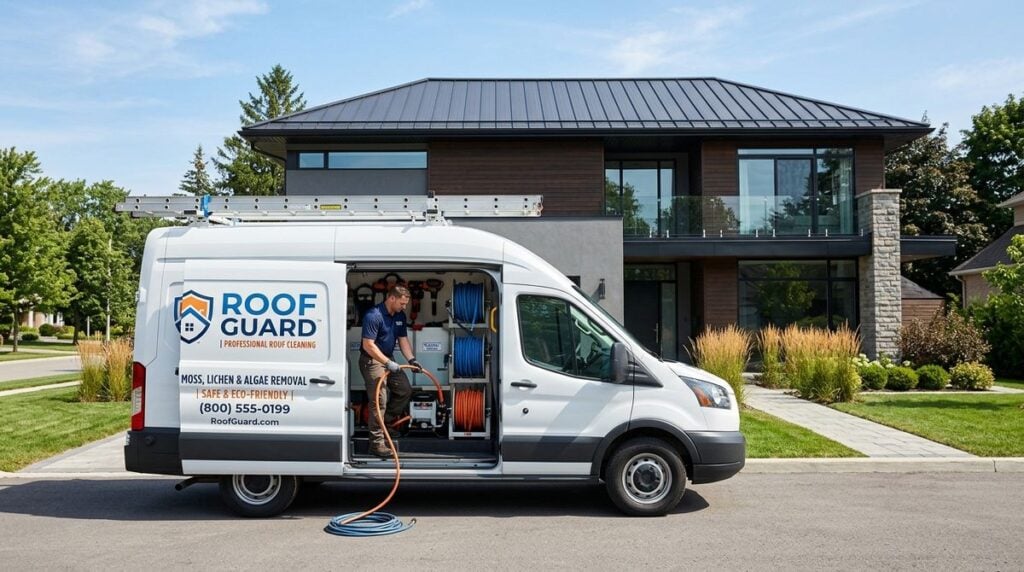
A small business with a few vans or pickups depends on each vehicle starting on time. One unexpected problem can pull a driver off a route and shift a whole day of appointments. Many owners only learn about a worn belt or a low tire after the truck has already stopped. A brief daily walkaround can change that pattern without adding much cost. The sections below compare the chaotic days that came before with the steadier ones that followed.
The routine involves a few minutes of looking, listening and noting. It asks drivers to check lights, tires, fluid levels and any warning displays on the dashboard. Nobody needs to be a mechanic to notice an obvious problem. Owners who make the walkaround part of the start-of-day routine usually find it easier to plan repairs. A consistent habit beats a rare, long inspection that everyone forgets.
Surprise Breakdowns Before the Walkaround
Before the routine existed, problems usually appeared on the road. A driver would hear a strange noise halfway through a delivery and call the office for advice. The owner would then scramble to find a replacement vehicle or reschedule customers who were waiting. Each breakdown felt random, even though many of them had small warning signs in the days before. Readers may also want to visit specialedoptions.com.
The surprises also made planning difficult. Repairs were booked in a rush, which often meant higher bills and less choice about the shop. Drivers felt unsure whether a minor issue was worth mentioning, so they kept quiet until it grew. The office lacked a reliable picture of which vehicles needed attention. That gap created stress for everyone involved in the schedule.
Building a Short Walkaround Routine
A useful walkaround follows a fixed order so that nothing gets skipped. The driver can start at the front of the vehicle, check lights and mirrors, then move around each tire and finish at the rear doors. Each stop takes only a moment when the sequence is familiar. You can also visit decoratingparty.com for more reading.
Drivers should know what counts as a concern and what can wait. A cracked windshield or a warning light deserves an immediate call, while a small scuff can be noted for later. Clear categories prevent every minor issue from turning into a crisis. The routine works best when the owner explains the reasons behind each check rather than simply handing out a list.
Spotting Small Issues Before They Grow
The real benefit appears when small issues get caught early. A tire that looks slightly low can be topped up before it becomes a flat on a busy road. A loose cover or a dim bulb can be fixed during a quiet afternoon rather than during a rainstorm. These fixes are inexpensive compared with emergency repairs, and they keep the schedule intact.
For a related read on this site, see Pet Boarding Supply Rotation for Every Part of. The article offers ideas that a small team can adapt to its own vehicles. Following its suggestions does not guarantee that a vehicle will never need repairs. It does give the team a shared vocabulary for spotting trouble early.
Recording What Drivers Notice
A simple log turns each walkaround into a record the whole team can use. Drivers can note the date, the vehicle number and any item that needs attention. The log does not need special software, since a shared spreadsheet or a printed sheet in the cab can work well. Patterns become visible when the notes are kept consistently.
Reviewing the log once a week helps the owner plan repairs before the busy season. A vehicle that appears in the notes several times may need a deeper inspection. Drivers who see their concerns recorded and acted upon usually become more willing to speak up. That trust is one of the quieter benefits of the routine.
Drivers who work different shifts can share a simple sign-off sheet at the end of each day. The sheet records the vehicle number, the time of the walkaround and any note for the next person. The next driver can read the notes before starting and avoid surprises. A quick handoff like this keeps the fleet informed without long meetings.
Owners can also use the walkaround results to plan which vehicle goes on the longest route. A van with fresh tires and clean lights is a natural choice for a distant delivery. A vehicle with a minor warning can handle a shorter loop until the repair is booked. Matching the vehicle to the day keeps the whole fleet working within its limits. Over time the owner builds a clear picture of which models hold up best on local roads. Drivers appreciate seeing that their notes shape real decisions.
A Steadier Schedule for the Whole Crew
A five minute walkaround looks almost too small to matter, yet it changes how a small fleet runs each day. Drivers start their shifts knowing the vehicle has been checked, and the office spends less time reacting to emergencies. Repairs move into planned slots rather than rushed appointments. The business feels steadier because its trucks finally behave like a dependable part of the plan. That steadiness is the difference worth building.
About Post Author

