
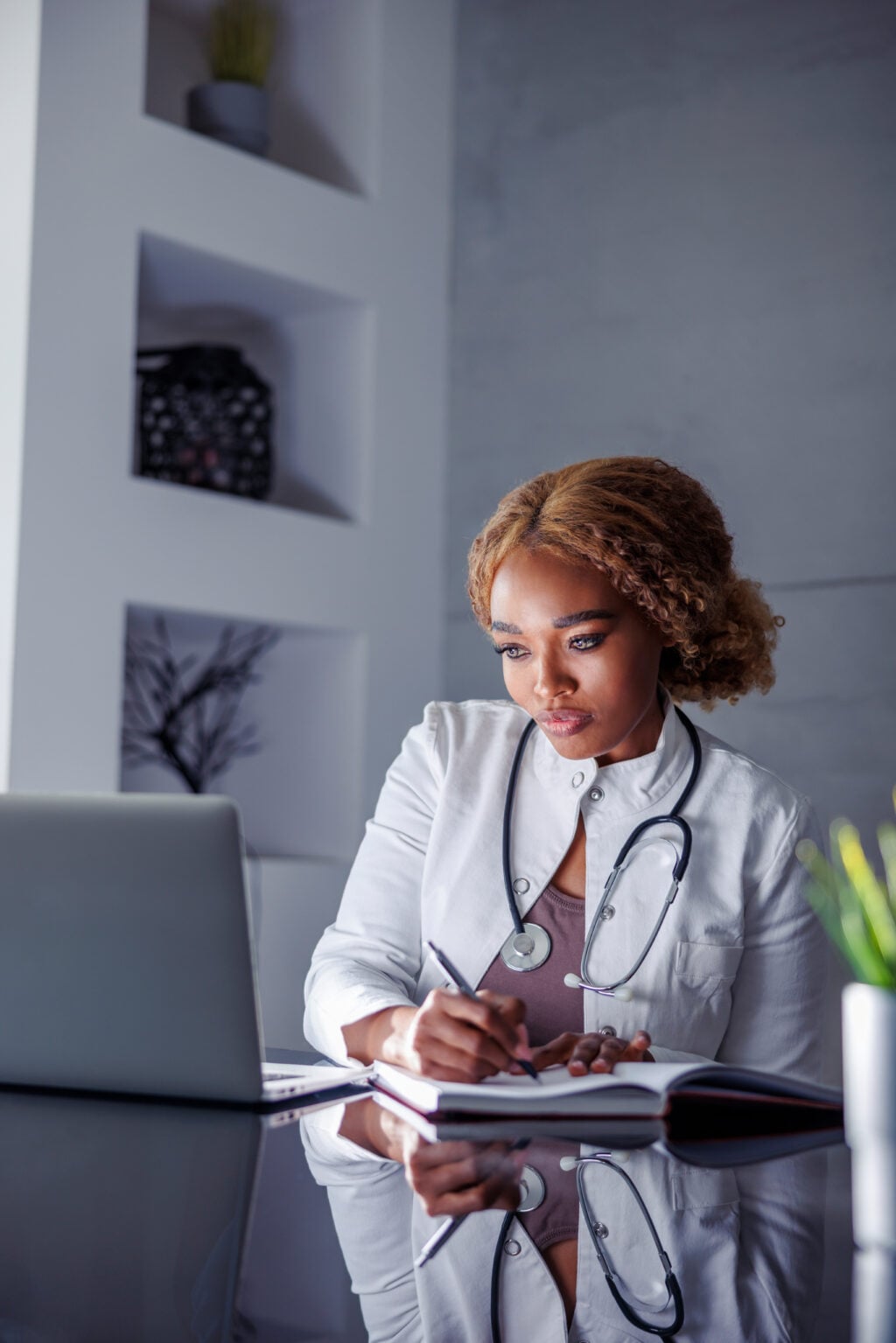
Documentation errors have long been the quiet burden of clinical practice. A misheard medication name, an incomplete symptom description, or a rushed summary written after a twelve-hour shift can ripple into real consequences for patient care. As telehealth becomes a permanent fixture in how medicine is delivered, the tools supporting that care need to keep pace. Enter the remote scribe: a professional who listens in on patient encounters and documents them in real time, freeing physicians to focus on the person in front of them rather than the screen beside them.
The Documentation Problem in Modern Medicine
Physicians today spend a striking portion of their working hours on paperwork rather than patients. Electronic health records, while useful for organizing information, have added layers of clicking, typing, and formatting that pull attention away from the exam room. When a provider is simultaneously listening to a patient and trying to type accurate notes, something usually gives. Details get compressed, context gets lost, and errors creep in.
This problem intensifies in telehealth settings. Video calls already strip away some of the nonverbal cues that guide in-person visits, and providers juggling multiple browser tabs, camera angles, and typing windows face an even steeper cognitive load. The result is often documentation that’s technically complete but missing the nuance that makes a medical record genuinely useful for future care decisions.
What a Virtual Scribe Actually Does
A virtual scribe joins a patient encounter remotely, typically listening through a secure audio or video connection, and documents the visit as it happens. Unlike voice-to-text software that transcribes word-for-word, a trained scribe understands medical terminology, clinical workflows, and the structure of a proper note. They know the difference between a symptom the patient mentioned in passing and one that needs to be flagged prominently in the history of present illness.
Because remote scribes work alongside the provider rather than replacing their judgment, physicians retain full control over the final note. The scribe drafts it, but the doctor reviews and signs off, ensuring accuracy while dramatically cutting down the time spent on manual entry.
Why Accuracy Improves With a Dedicated Listener
When a physician’s attention is split between conversation and computer, something inevitably suffers. Note accuracy improves when documentation becomes someone’s sole focus during the visit. A remote scribe isn’t distracted by the need to ask the next question or interpret a physical exam finding in real time. Their job is to capture what’s said, clarify ambiguous details when needed, and translate that into a structured, coherent note.
This division of labor also reduces the reliance on memory. Notes written immediately, in real time, are far more reliable than those reconstructed from memory after a visit has ended. Every telehealth appointment a provider sees during a busy clinic day adds to the mental backlog of details that need to be documented later. Virtual scribes eliminate that backlog by capturing information as it’s spoken, preserving accuracy that would otherwise erode with time and fatigue.
The Telehealth Advantage
Telehealth and remote scribing were practically built for each other. Since both the provider and, often, the scribe are already working through digital platforms, integrating a scribe into a virtual visit requires no additional hardware or awkward in-room presence. The scribe can listen in through the same platform hosting the appointment, working invisibly in the background while the patient and provider focus entirely on each other.
This setup also allows for more consistent documentation standards across a practice. When scribes are trained to follow specific templates and terminology preferences, notes become more uniform, easier to audit, and simpler to reference during follow-up visits. That consistency matters when multiple providers are pulling from the same patient history, especially in multi-specialty telehealth practices where communication between departments depends on clear, accurate records.
Reducing Burnout While Raising Documentation Standards
Improved accuracy isn’t the only benefit worth mentioning, though it’s the one with the most direct impact on patient safety. Providers who use remote scribes often report feeling more present during appointments, since they aren’t mentally drafting notes while trying to maintain eye contact on a video call. Over time, this reduces the fatigue that comes from constant multitasking and helps prevent the kind of documentation shortcuts that lead to errors.
A Practical Step Forward
Virtual scribes represent a practical, immediately applicable solution to a problem that has plagued clinical documentation for years. As telehealth continues to shape how care is delivered, the practices that prioritize accurate, thorough documentation will be the ones that build stronger patient trust and more reliable medical histories. Bringing a remote scribe into the workflow isn’t just about saving time. It’s about making sure every patient encounter is captured with the accuracy it deserves.
About Post Author

