
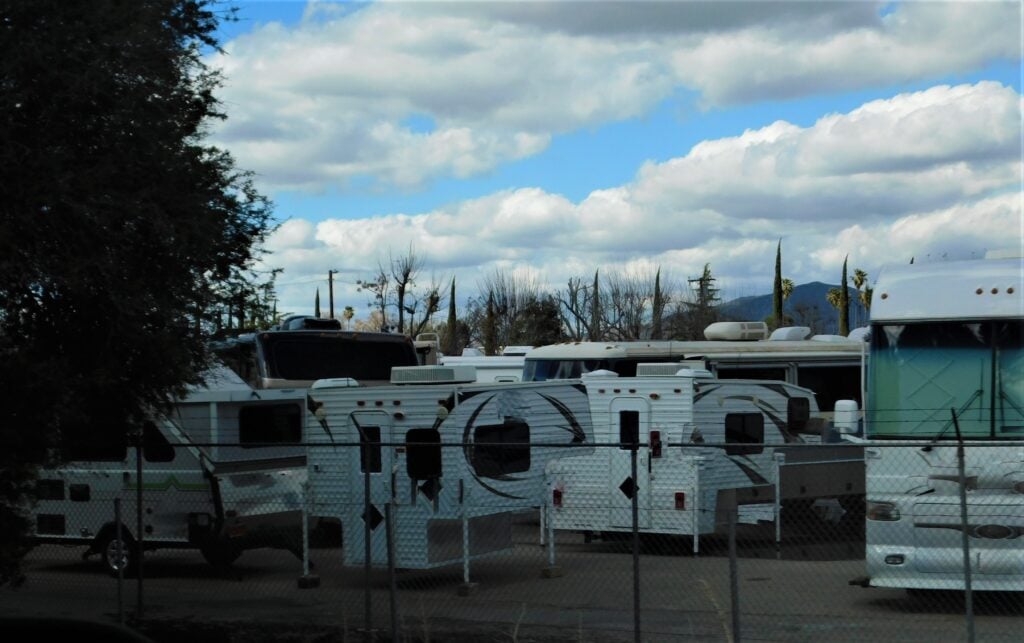
Whether you’re between road trips or tucking your rig away for the off-season, it’s natural to wonder how long an RV can sit parked without turning into a maintenance headache. The truth is, there’s no universal expiration date. With the right preparation, an RV can sit in storage for several months—even a full year—without major issues. But neglect the details, and problems can creep in far sooner than you’d expect.
The Short Answer: It Depends on Preparation
An RV that’s properly winterized, covered, and checked on periodically can safely sit for six months to a year. One that’s parked and forgotten, with fluids left in the lines and tires bearing full weight the entire time, might develop issues within just a few weeks. The real variable isn’t time—it’s how well the vehicle is set up before it’s parked and how often it’s monitored while sitting idle.
What Happens When an RV Sits Too Long
Several systems in an RV are vulnerable to inactivity. Engines and generators rely on regular use to keep seals lubricated and fluids circulating. When they sit too long, oil settles, gaskets can dry out, and batteries lose their charge. Tires are another concern: sitting in one position for extended periods causes flat spots and uneven wear, especially on hot pavement or cold concrete.
Moisture is the quiet threat that surprises a lot of owners. Condensation builds up inside a closed, unventilated RV, creating the perfect environment for mold and mildew. Combine that with pests looking for a cozy place to nest, and a few months of neglect can turn into costly repairs.
Steps to Extend Safe Storage Time
The good news is that most of these problems are preventable. A little upfront effort can stretch your RV’s storage timeline considerably.
- Winterize the plumbing if temperatures will drop below freezing, draining water lines and adding antifreeze where needed.
- Disconnect or maintain the battery using a trickle charger or removing it entirely to prevent it from draining completely.
- Inflate tires to the recommended PSI and consider using leveling blocks to reduce flat-spotting.
- Ventilate the interior with moisture absorbers or cracked vents to reduce condensation buildup.
- Cover the RV with a breathable, fitted cover to protect against sun damage and debris.
Even with all this prep, plan to check on your RV every month or two. Start the engine, run the generator briefly, and glance over the tires and seals for early signs of trouble.
Why Storage Location Matters
Where you store your RV plays just as big a role as how you prepare it. Leaving a rig in a driveway exposes it to weather extremes, UV rays, and in some neighborhoods, restrictions that limit how long you can park it there. A rented storage unit designed for RVs offers a more controlled environment, whether that’s a covered structure or a fully enclosed unit shielding your vehicle from sun, wind, and precipitation.
Storage rental facilities built for RVs also tend to offer security features like gated access and surveillance, which matter when your vehicle is sitting untouched for weeks or months. Some facilities even offer amenities like dump stations or wash areas, useful when you’re prepping the RV before storing it or getting it road-ready again.
Signs Your RV Has Been Sitting Too Long
If you’re returning to your RV after an extended break, keep an eye out for warning signs. A musty smell usually points to trapped moisture. Soft or cracked tires suggest they’ve lost pressure or developed flat spots. A battery that won’t hold a charge after a full charging cycle may need replacing. And if the engine struggles to start or runs rough, it’s worth having it inspected before heading out on the road.
Catching these issues early prevents small inconveniences from becoming expensive repairs.
Finding the Right Balance
There’s no single rule for how long an RV can sit without being driven—it comes down to preparation, environment, and consistent check-ins. An RV tucked into a quality storage rental, properly winterized and periodically inspected, can comfortably sit for months without issue. One left exposed and unchecked might start showing problems in weeks.
The bottom line: treat storage time as an active process, not a passive one. A little routine maintenance goes a long way toward making sure your RV is ready to hit the road the moment you are.
About Post Author

