
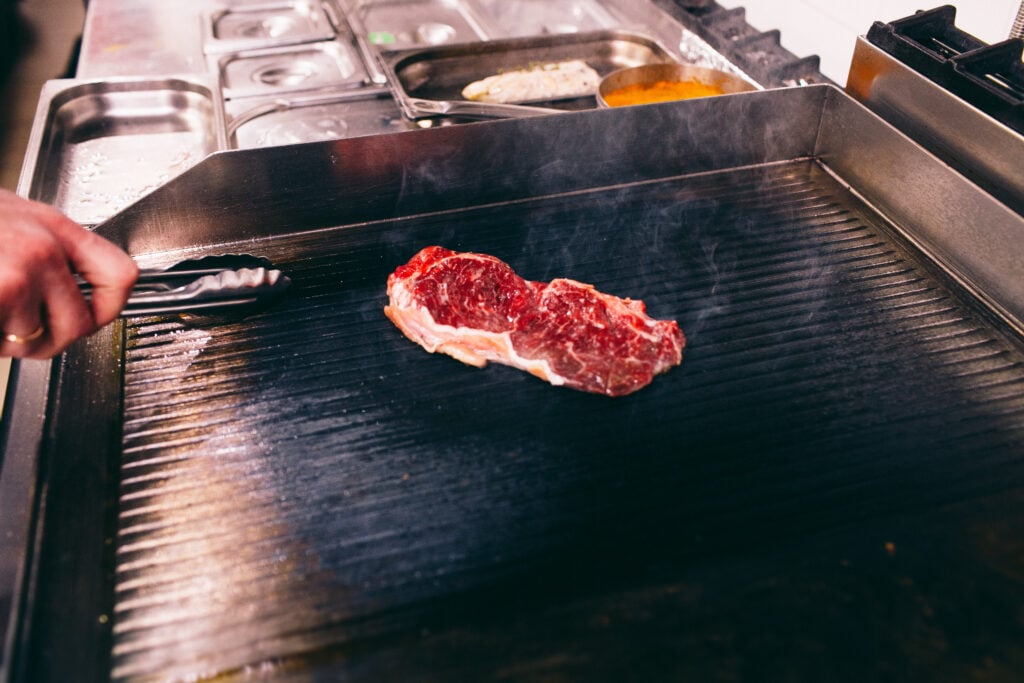
Ask any chef what separates a forgettable steak from one customers rave about for years, and the conversation almost always circles back to the grill. Not the seasoning, not the cut, not even the marinade—the grill itself. In the world of industrial grilling, equipment isn’t just a tool; it’s the foundation of your entire menu’s reputation.
Restaurants live and die by consistency. A guest who orders a medium-rare ribeye expects that same result every single time, whether they visit on a slow Tuesday afternoon or during a packed Saturday dinner rush. Achieving that kind of reliability requires more than skill in the kitchen. It requires champion grills built to perform under pressure, hour after hour, without losing the qualities that create a perfect char.
Why the Char Matters More Than You Think
That deep, caramelized crust on a piece of meat isn’t just visual appeal—it’s flavor architecture. The char comes from a chemical reaction that happens when proteins and sugars are exposed to intense, direct heat. This reaction creates hundreds of new flavor compounds, transforming a plain cut of meat into something complex and savory. Get the char right, and you unlock a depth of flavor that no sauce or seasoning blend can replicate.
Get it wrong, and the results are equally noticeable. Undercooked char leaves meat tasting flat and one-dimensional. Overdone char turns bitter and acrid, masking the natural flavors instead of enhancing them. The margin for error is slim, which is exactly why the equipment producing that char needs to be dependable.
The Role of Industrial Grilling Equipment
Home grills and consumer-grade equipment simply aren’t built for the demands of a commercial kitchen. Industrial grilling requires machines that can maintain consistent, high temperatures across large cooking surfaces, recover heat quickly after each order, and withstand hours of continuous use without performance dropping off.
This is where the difference between an average grill and a genuinely great one becomes obvious. Cheaper equipment often struggles with hot spots, uneven heat distribution, and slow recovery times between orders. During peak service, these flaws compound quickly. A grill that can’t keep up creates bottlenecks in the kitchen, forces cooks to compensate with guesswork, and ultimately delivers inconsistent food to the dining room.
A well-built grill, by contrast, becomes an extension of the chef’s technique. It responds predictably, holds temperature under heavy loads, and gives kitchen staff the confidence to execute the same sear, the same crust, and the same flavor profile on every single plate that leaves the kitchen.
What Makes a Grill Worthy of Champion Status
Not all grills are created equal, and the restaurants known for exceptional food understand this better than anyone. A handful of qualities separate ordinary equipment from grills worthy of the title “champion.”
- Heat retention and recovery – The best grills bounce back quickly after each item is placed on the surface, so temperatures don’t dip mid-service.
- Even heat distribution – No cold spots, no scorched patches—just uniform cooking across the entire surface.
- Durable construction – Commercial kitchens are demanding environments. Grills need to withstand daily wear without warping or degrading in performance.
- Ease of maintenance – A grill that’s simple to clean and maintain stays in peak condition longer, which directly protects food quality over time.
When a grill checks all of these boxes, kitchen staff spend less time troubleshooting and more time focused on technique and creativity.
The Business Impact of Getting It Right
Beyond flavor, the right grilling equipment has a direct impact on the bottom line. Consistent results mean fewer sent-back plates, fewer wasted ingredients, and happier customers who return because they know exactly what to expect. In a competitive restaurant landscape, that kind of reliability builds loyalty in ways that marketing alone cannot.
Efficient equipment also affects speed of service. A grill with strong heat recovery allows kitchens to handle high volume without sacrificing quality, which matters enormously during rush periods when tickets pile up fast. The right equipment doesn’t just make food taste better—it makes the entire operation run smoother.
Investing in the Right Equipment
Choosing a grill shouldn’t be an afterthought buried at the bottom of a long list of kitchen purchases. It deserves the same careful consideration as menu design or staff training, because it directly shapes the outcome of both. Restaurants that treat their grilling equipment as a core investment—rather than a commodity purchase—consistently produce the kind of food that keeps customers coming back.
The perfect char isn’t a matter of luck or a secret technique passed down through generations of chefs. It’s the result of dependable, high-performing equipment doing its job correctly, every single time. For restaurants serious about their reputation, the grill isn’t just part of the kitchen. It’s the heart of it.
About Post Author

